On September 23, in Hanoi, Agriculture and Nature Newspaper, in coordination with the Vietnam Association of Farms and Agricultural Enterprises, held the workshop “Animal Welfare - Proposals for Institutional Policies and Implementation,” bringing together representatives from regulatory agencies, experts, scientists, associations, and businesses.
The workshop focused on discussing the development of policies and standards and improving the effectiveness of animal welfare implementation in livestock farming, transportation, and slaughter.
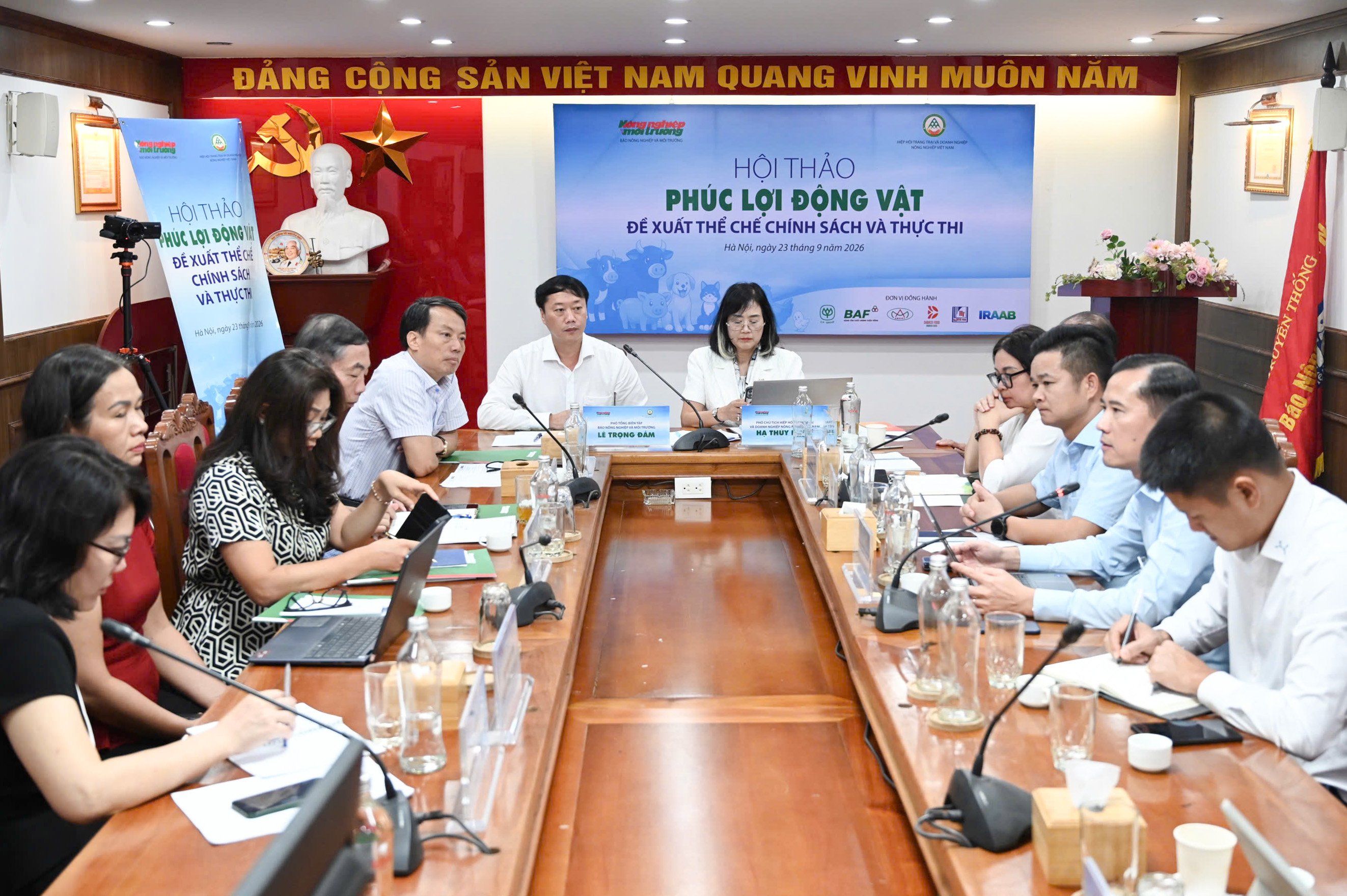
The workshop “Animal Welfare – Proposals for Institutional Policies and Implementation” brought together representatives from regulatory agencies, experts, scientists, associations, and businesses to discuss animal welfare policies and practices
Refining Assessment Criteria and Improving Implementation
Speaking at the workshop, Mr. Le Trong Dam, Deputy Editor-in-Chief of Agriculture and Nature Newspaper, said that the Law on Animal Health and the Law on Animal Husbandry contain various provisions concerning the humane treatment of livestock. However, there are still issues that need to be further clarified between regulations and practical implementation, particularly assessment criteria, implementation guidelines, and inspection and monitoring mechanisms.
In international trade, requirements related to food safety, quarantine, animal health, technical standards, and traceability are receiving increasing attention. Animal welfare is also being increasingly linked to product quality, sustainability, and social responsibility in many markets. According to Mr. Le Trong Dam, the challenge is to prepare the necessary institutional frameworks, standards, and implementation capacity so that animal welfare requirements can contribute to improving product quality and value without placing additional burdens on producers.
Opinions shared at the workshop also addressed the development of criteria tailored to different livestock species and production stages, combining assessments of farming conditions with the actual condition of the animals. This provides a basis for implementing, monitoring, and improving animal welfare requirements in production activities.
Focusing on Animal Living Conditions and Health at Every Stage
Sharing practical experience at the workshop, Mr. Nguyen Thanh Tung, Sales Director of the Animal Feed Business at C.P. Vietnam, said that animal welfare is an area that the Company has prioritized and proactively addressed from an early stage.
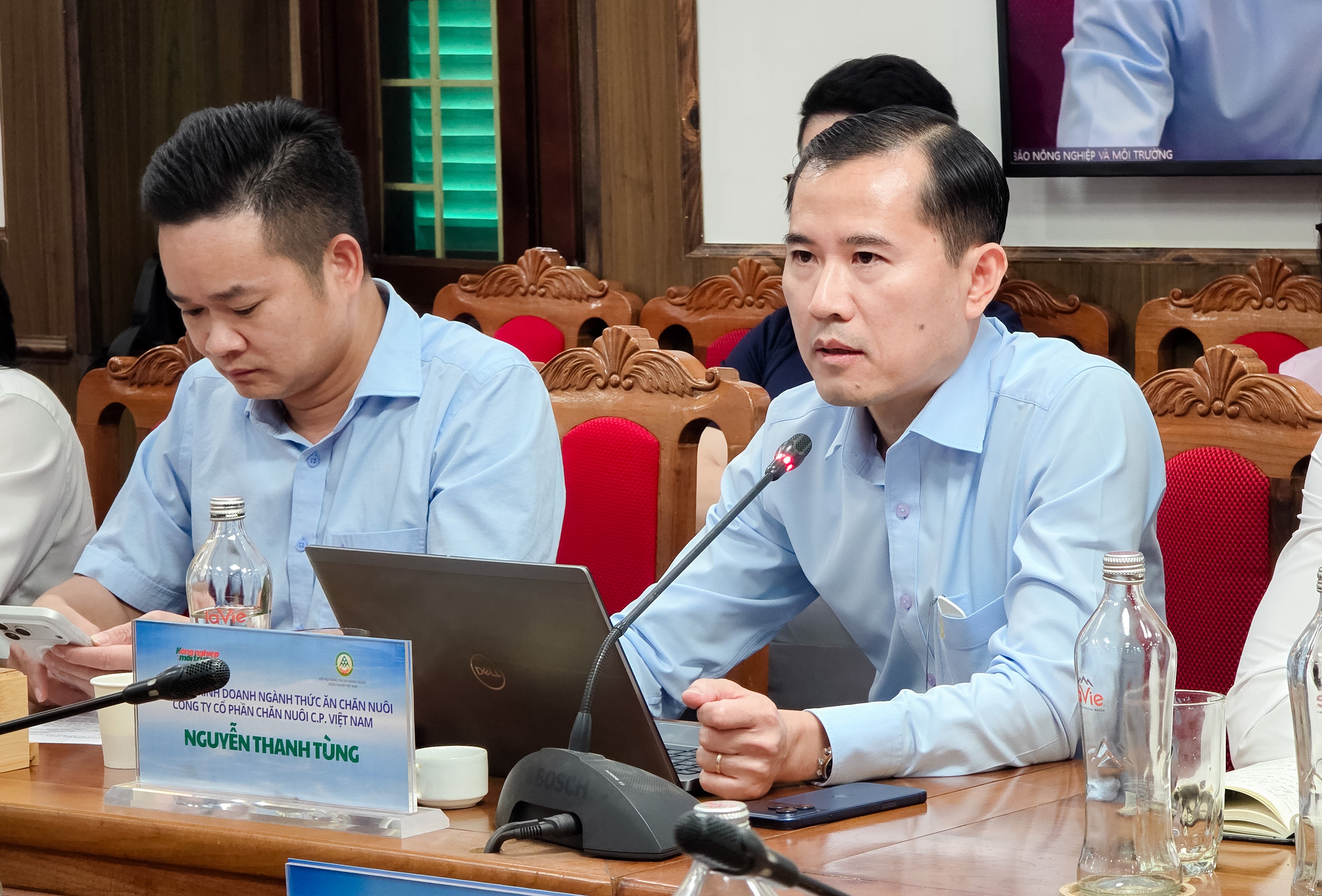
Mr. Nguyen Thanh Tung, Sales Director of C.P. Vietnam’s Animal Feed Business, shares practical experience in implementing animal welfare throughout livestock farming, transportation, and slaughter
Under its integrated Feed - Farm - Food system, C.P. Vietnam focuses on ensuring animal welfare throughout the stages of livestock farming, transportation, and slaughter, based on compliance with Vietnamese law and the application of international requirements appropriate to each operation to support exports.
In animal care, the Company applies the “Five Freedoms” principle, which covers the provision of adequate food and water, a suitable living environment, good health, the ability to express natural behaviors, and protection from fear and distress.
At its farms, livestock housing is equipped with cooling systems, automation technologies, and biosecurity measures to control environmental conditions. Alongside appropriate nutrition, the health of livestock is monitored with the support of laboratory systems, diagnostic services, and veterinary consultation, helping identify health issues early and prevent and control diseases.
During transportation and slaughter, care measures are applied according to the specific needs of each species. Chickens are transported in specialized trucks, received through an automated unloading system, and kept in a holding area with controlled temperature and humidity. Before slaughter, chickens are hung on the processing line in an area using blue lighting to help keep them calmer, reduce stress and minimize struggling, and are rendered unconscious before proceeding to the next stage…
Based on practical experience, Mr. Tung said that improving animal welfare needs to be translated into procedures appropriate to each species and stage of production. In addition to investing in housing facilities, vehicles, and equipment, businesses need to focus on worker training, compliance checks, and monitoring the condition of animals so that adjustments can be made promptly. This requires coordination among livestock farms, transportation providers, and slaughtering facilities.
C.P. Vietnam is ready to share its practical experience and work with regulatory agencies, experts, associations, and the business community to promote animal welfare practices that are appropriate to Vietnam’s production conditions and the requirements of international food supply chains.
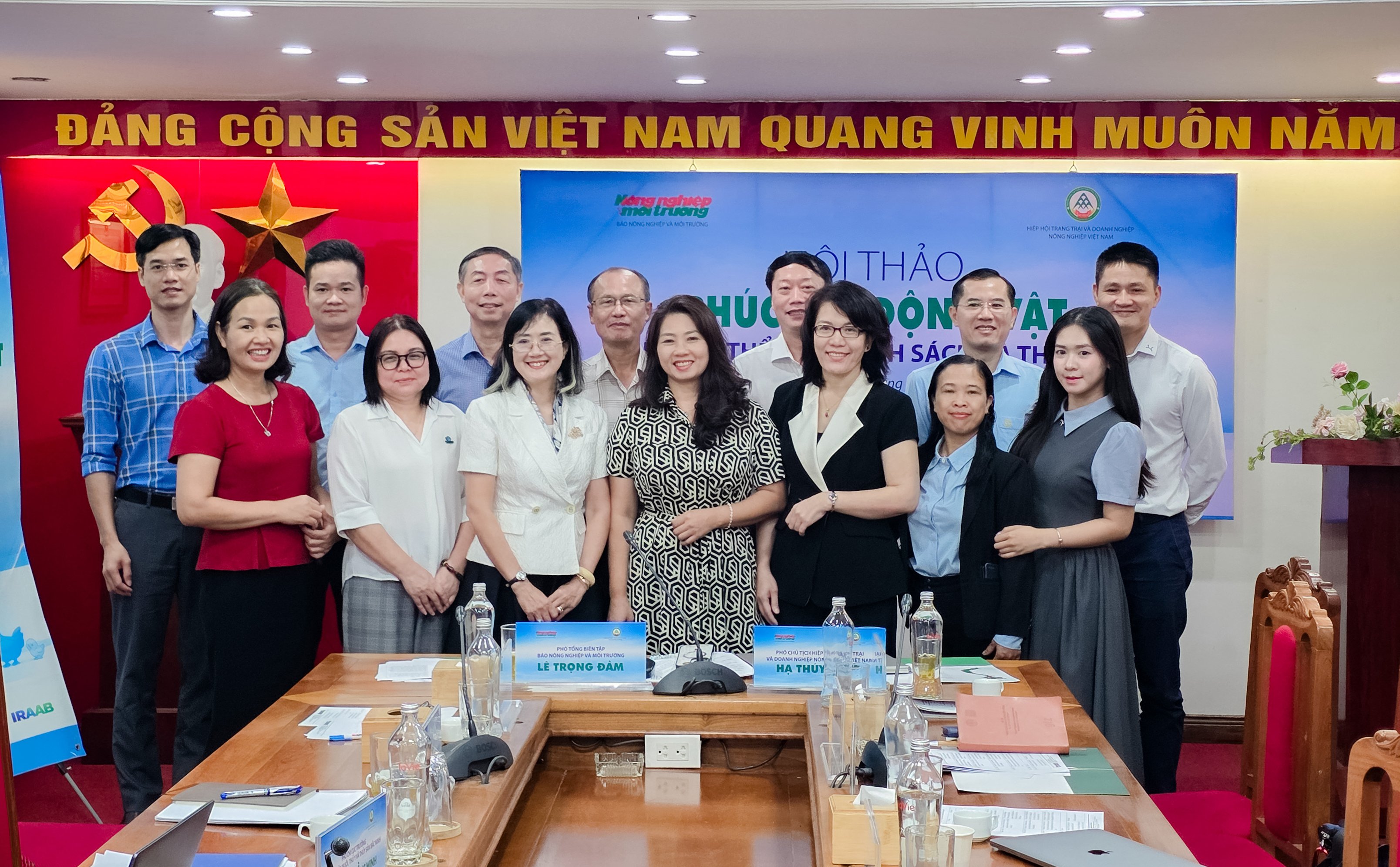
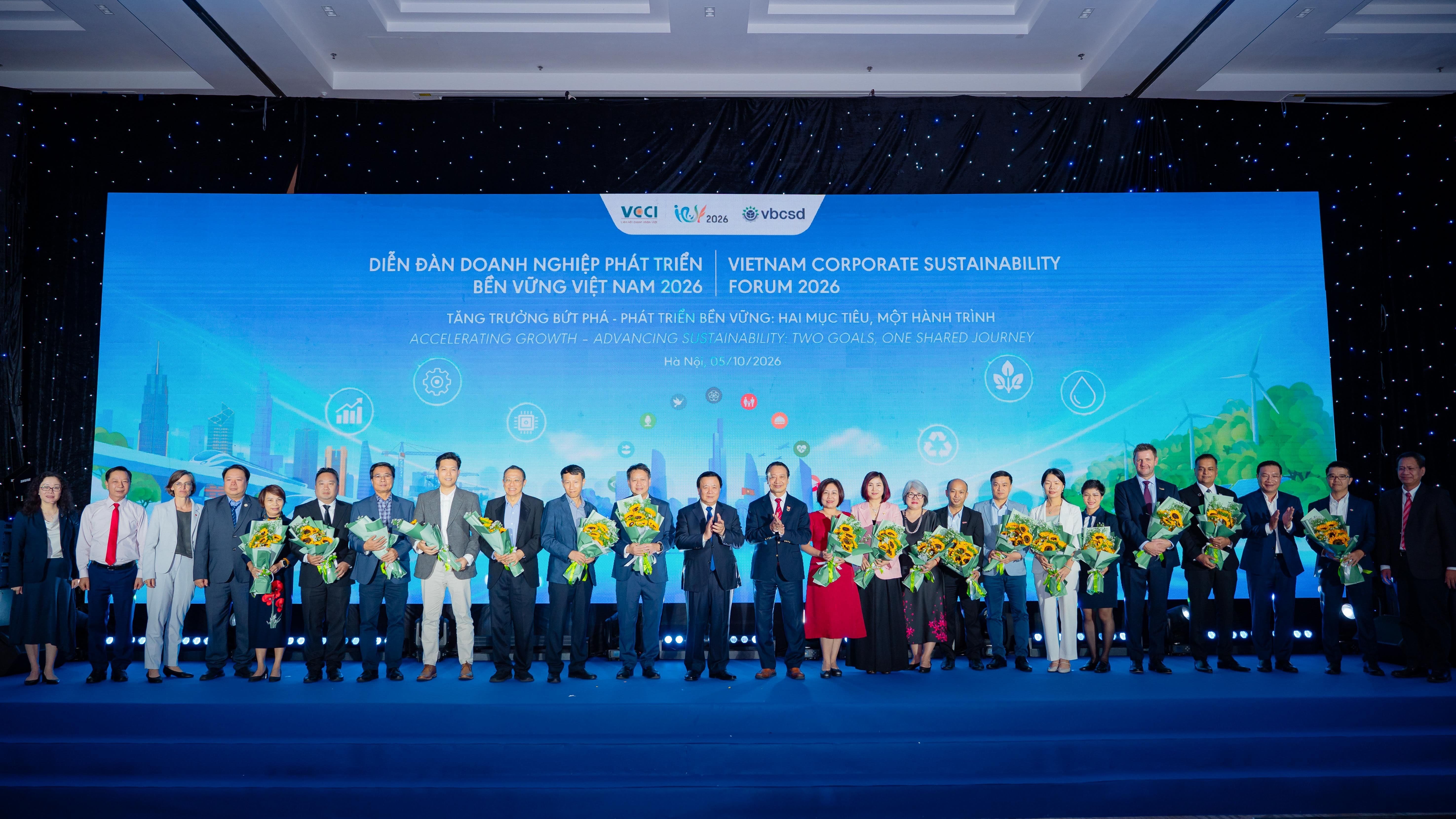
Delegates attending the workshop “Animal Welfare – Proposals for Institutional Policies and Implementation” pose for a group photo