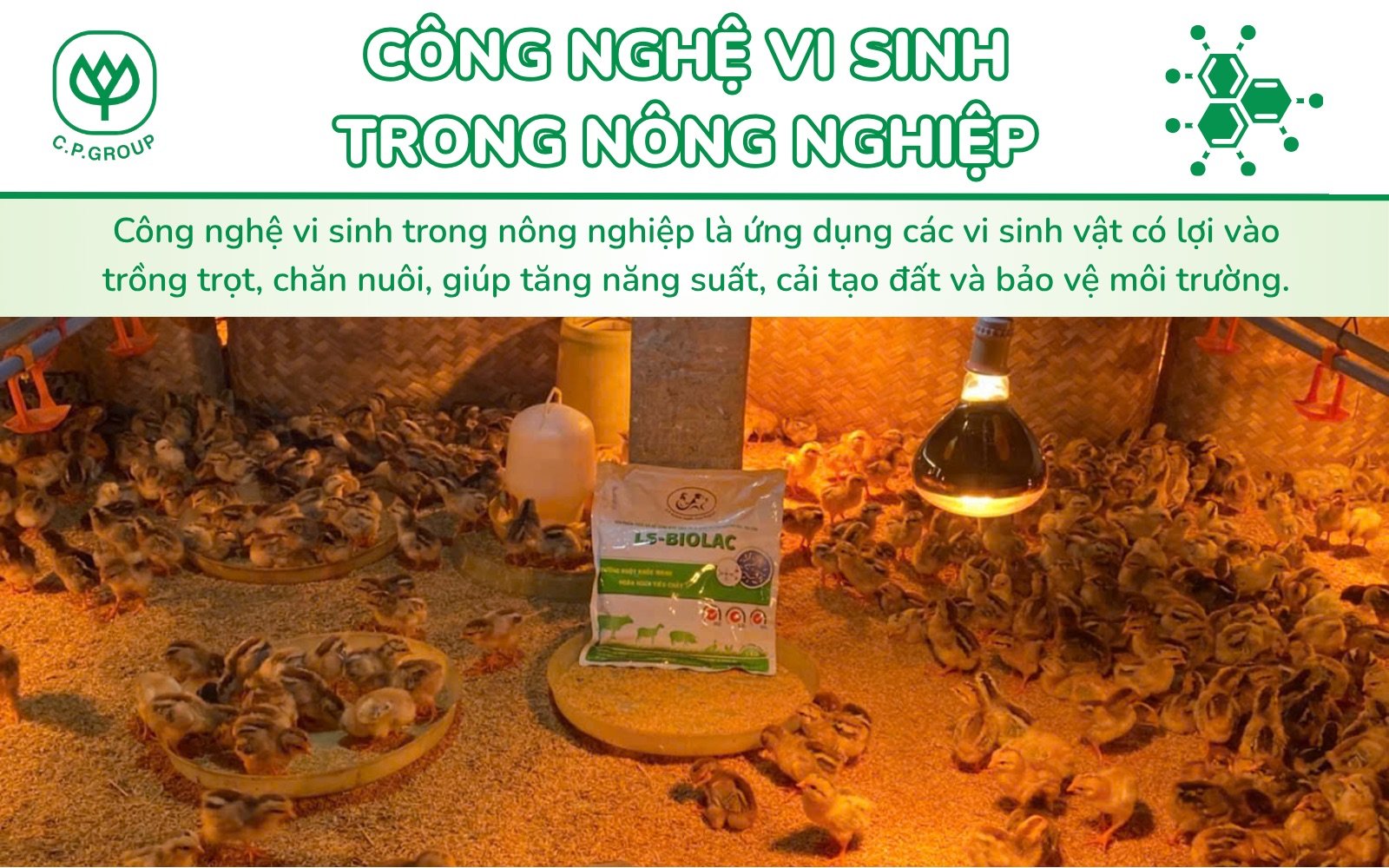
Amid rising pressure from fluctuations in input costs, disease outbreaks, and increasingly stringent food safety requirements, Vietnam’s livestock industry is rapidly shifting toward more modern, efficient, and sustainable production models. Choosing the right production approach and scale can help optimize costs and improve productivity while also creating a competitive advantage and increasing the long-term value of livestock products. This article provides an overview of the most common and effective livestock farming models today, examining the key characteristics and advantages of each, as well as the growing adoption of technology that is shaping Vietnam’s livestock industry.
1. Livestock Farming Models by Production Scale
Under Vietnam’s 2018 Law on Animal Husbandry, livestock farming is organized into two main models based on production scale: household farming and farm-based production. The two models differ in terms of production scale, business objectives, and the level of investment in infrastructure and facilities.
- Household farming: This model is managed directly by individual households and is typically operated on a small scale, making use of available resources such as family labor, land, and locally sourced feed. It is well suited to operations with limited investment capacity. However, disease control, environmental management, and compliance with technical standards can present greater challenges.
- Farm-based production: This is a centralized production model operated on dedicated premises for commercial livestock farming. With more professional management practices, integrated farm infrastructure, and greater capacity to adopt modern technologies, this model can improve productivity, strengthen biosecurity, and deliver more consistent product quality.
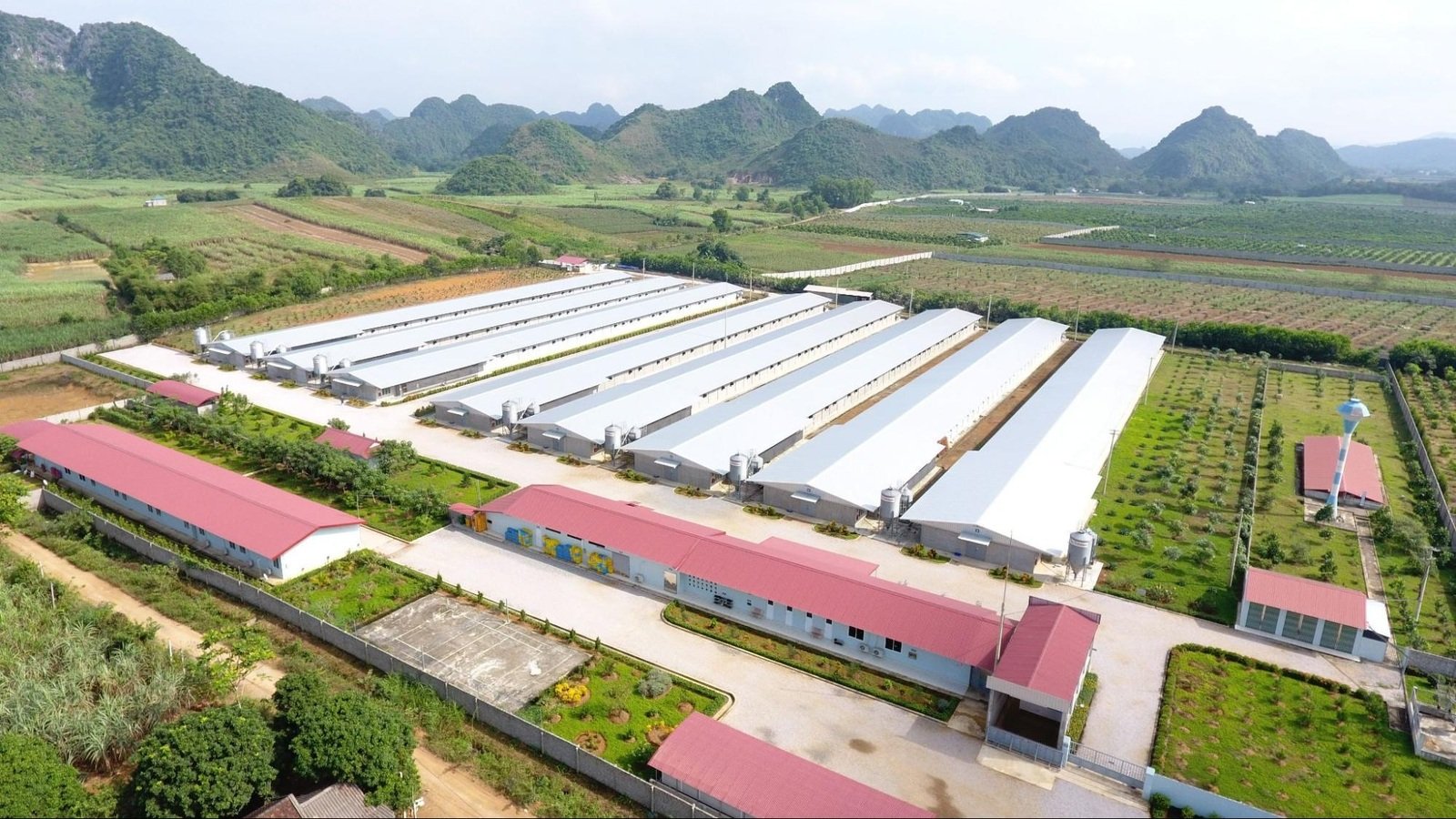
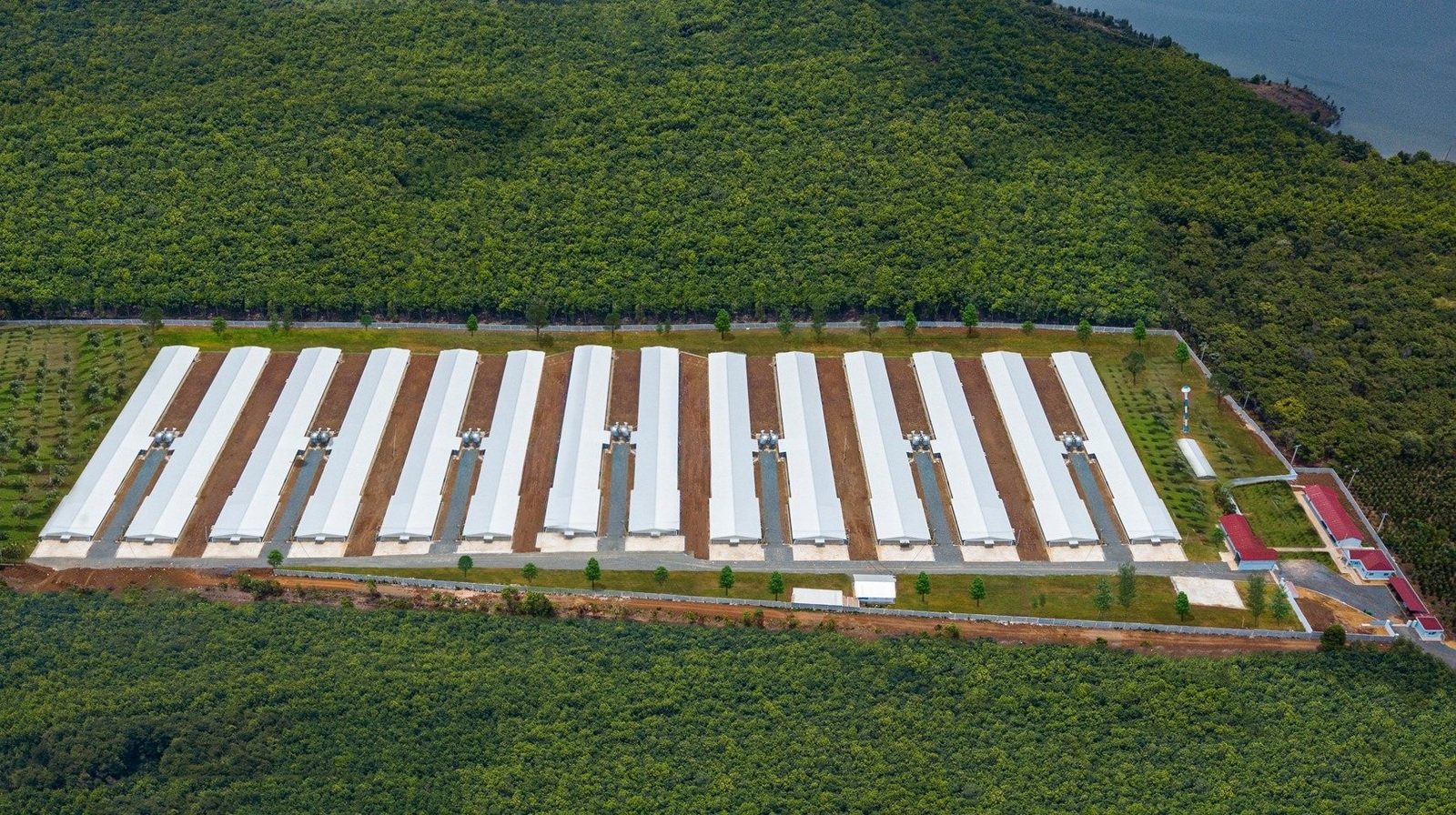
Centralized farm-based livestock models help improve productivity and strengthen production quality control.
>> See also:
- Modern Livestock Farming Technologies Used in Vietnam
- Current Livestock Farming Trends: Moving Toward Sustainable Agricultural Models
- TOP 5 Effective Livestock Wastewater Treatment Technologies Today
2. Livestock Farming Models by Production Organization
In addition to differences in scale, livestock farming can also be classified based on how production is organized and the level of participation in the value chain. Today, two common models are independent farming and contract-based or value-chain partnerships. Each model has its own characteristics, advantages, and limitations, reflecting the evolving structure of the modern livestock industry.
- Independent farming: Farmers manage the entire production process independently, from selecting livestock breeds and feed to animal care and product sales. This model offers flexibility and greater autonomy over production decisions. However, farmers also bear the risks associated with fluctuations in input prices, disease outbreaks, and market demand. Compared with partnership-based models, they may have more limited access to technology, financing, and stable markets.
- Contract-based or value-chain partnerships: This model involves collaboration between farmers and companies or cooperatives through agreements covering production and product sales. Companies typically provide livestock breeds, animal feed, veterinary medicines, technical training, and support for product purchasing, helping reduce market risks and improve production quality. At C.P. Vietnam, this partnership model is implemented across the Feed - Farm - Food value chain, connecting animal feed, farms, and food processing. Integrated management of genetics, nutrition, technical practices, and quality control not only helps farmers secure more stable markets but also strengthens traceability and their ability to meet the standards of modern markets.
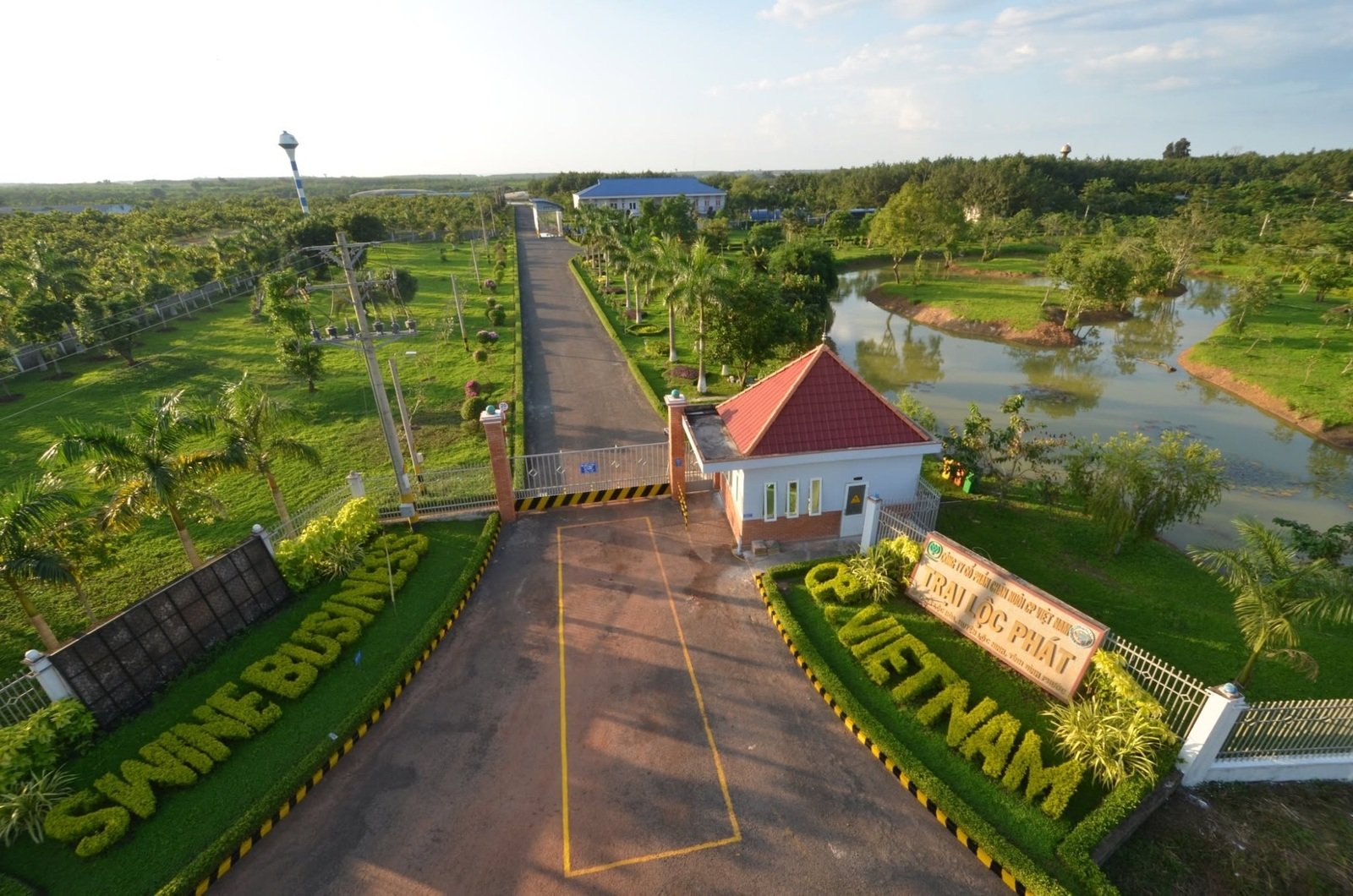
Swine farms designed around a green, clean, and environmentally friendly production model
3. Livestock Farming Models by Technology and Production Method
As agriculture continues to modernize, new livestock farming models are being adopted to improve productivity, reduce production costs, and meet increasingly stringent requirements for food safety, environmental protection, and traceability. Among these, high-tech farming, circular production, and integrated crop-livestock systems are emerging as key trends shaping the livestock industry today.
3.1. Biosecure and High-Tech Livestock Farming
Biosecure livestock farming focuses on preventing the introduction and spread of pathogens through measures that control livestock genetics, transportation, feed, drinking water, and the farm environment. Compared with traditional farming methods that rely heavily on experience, this approach helps minimize disease risks, improve productivity, and maintain more consistent product quality.
At the same time, digital technologies are being increasingly adopted for farm management. Enclosed housing systems, temperature and humidity sensors, surveillance cameras, IoT, AI, and farm management software enable real-time monitoring of farm conditions, automated adjustments to the housing environment, and early detection of abnormal signs in livestock. At C.P. Vietnam, the Smart Farm model incorporates enclosed housing, automation, and digital solutions to control the farm environment, manage animal health, and optimize operational efficiency.
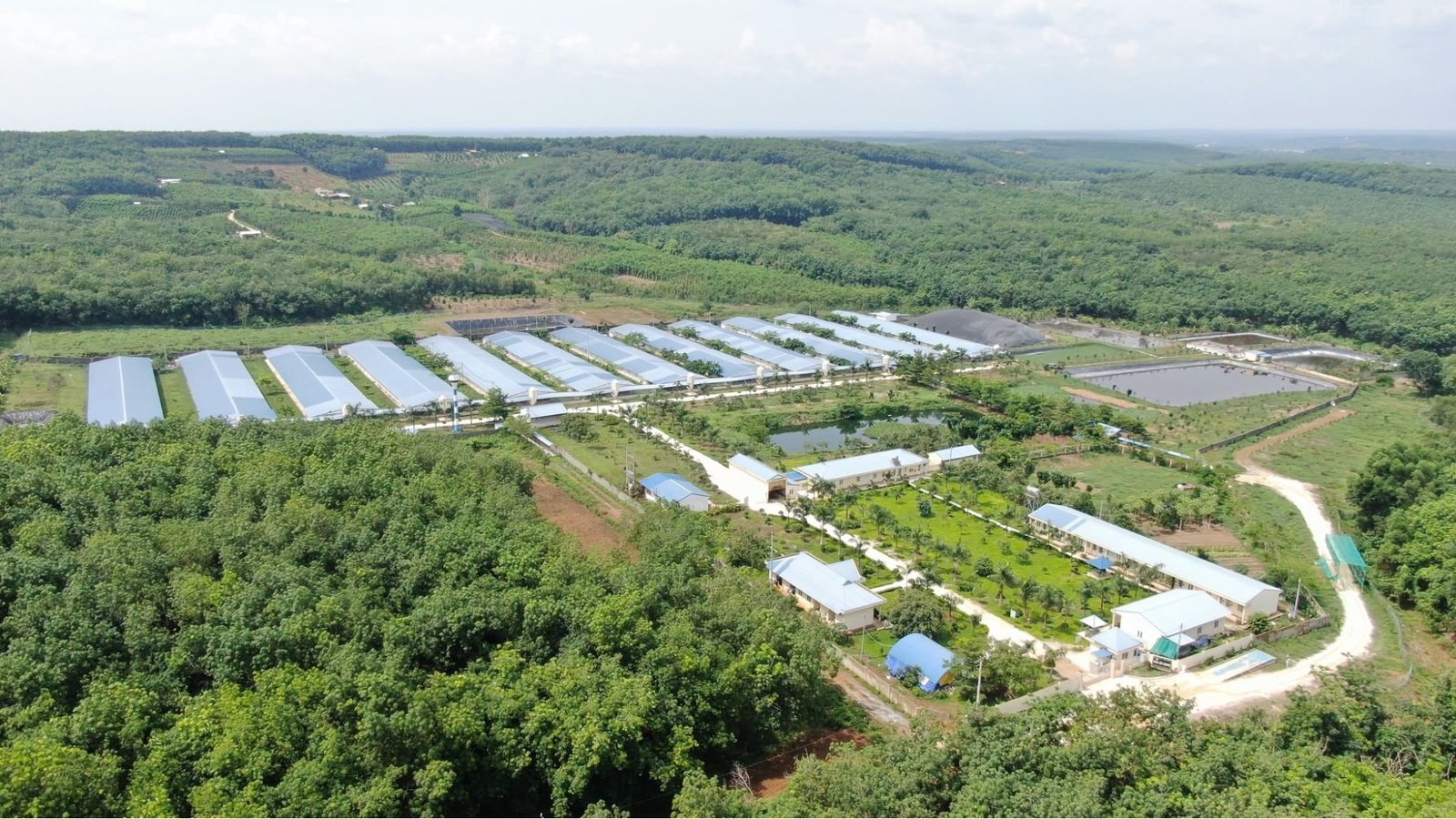
C.P. Vietnam develops farms with a focus on biosecurity, input quality control, and traceability.
>> Learn more: IoT Applications in Smart Agriculture
3.2. Circular Livestock Farming and Integrated Production
Circular livestock farming is a model designed to maximize the use of resources throughout the production process by turning livestock by-products and waste into inputs for other activities. Rather than managing waste through conventional methods, many farms have adopted biogas systems to produce biogas for electricity generation or cooking, while treated sludge can be reused as organic fertilizer for crops.
Integrated production systems also connect different stages of the value chain, from animal feed and genetics to farming, processing, and distribution, thereby strengthening quality control and traceability. As part of its sustainability strategy, C.P. Vietnam is advancing circular economy solutions through biogas-based power generation, treated-water reuse, resource conservation, and efforts to reduce environmental impacts across the entire Feed - Farm - Food value chain.
Circular livestock farming and integrated production help optimize resources, reuse waste, and reduce environmental impacts.
3.3. Integrated Livestock and Crop Farming
This is an integrated farming model in which livestock and crop production are interconnected, allowing each to support the other within the same agricultural ecosystem. Examples include the traditional garden–pond–livestock (VAC) model and other integrated systems that combine crops, livestock, and by-product management.
Ưu điểm nổi bật của mô hình này là tận dụng hiệu quả nguồn lực sẵn có. Phân chuồng sau xử lý có thể được sử dụng làm phân bón hữu cơ cho cây trồng, trong khi phụ phẩm nông nghiệp lại trở thành nguồn thức ăn cho vật nuôi. Nhờ đó, cơ sở sản xuất có thể giảm chi phí đầu vào, hạn chế chất thải phát sinh và gia tăng giá trị kinh tế trên cùng một đơn vị diện tích. Đây cũng là hướng phát triển phù hợp với xu thế nông nghiệp xanh và bền vững hiện nay.
>> Tìm hiểu thêm: Tìm hiểu 5 mô hình nông nghiệp hiện đại phát triển bền vững
Choosing the right livestock farming model can help optimize production costs while improving productivity, managing risks, and increasing the long-term value of livestock products. Each model offers distinct advantages and can be suited to different levels of investment, production scales, and development goals.
As agriculture continues to modernize, livestock farming models that incorporate advanced technologies, biosecurity, value-chain partnerships, and circular economy principles are playing an increasingly important role in the industry's development. Proactively selecting and adopting the right model can provide a foundation for greater economic efficiency, meeting market requirements, and supporting the long-term sustainability of the livestock industry.
>> You may also be interested in:
- C.P. Vietnam Named Among Top 5 Innovators in High-Tech Agriculture
- C.P. Vietnam Introduces Solutions to Drive Sustainable Development in the Agro-Food Industry
- C.P. Vietnam Advances Circular Packaging Solutions Across the Feed – Farm – Food Value Chain
“Tại C.P. Việt Nam, chúng tôi tin rằng mỗi bước tiến trong kinh doanh phải luôn đi đôi với sự bền vững của hệ sinh thái. Với cam kết hướng tới mục tiêu Net Zero vào năm 2050, C.P. Việt Nam không ngừng hiện thực hóa trách nhiệm qua mô hình Kinh tế tuần hoàn và chuỗi giá trị tích hợp Feed - Farm - Food bền vững.
Chúng tôi nỗ lực tối ưu hóa năng lượng tái tạo, xử lý phế phẩm thành nguồn tài nguyên và kiên trì với dự án “C.P. Việt Nam - Hành trình vì Việt Nam xanh” được triển khai từ 2021, hướng tới mục tiêu trồng 3 triệu cây xanh trong 10 năm để trung hòa carbon.
Cùng C.P. Việt Nam chung tay vì một hành tinh xanh, nơi mỗi bữa ăn ngon không chỉ nuôi dưỡng con người mà còn bảo vệ sự sống trên Trái Đất.”
Nguồn: Định hướng phát triển bền vững và Dự án bền vững | C.P. Việt Nam
Tài liệu tham khảo:
[1] Nghị định số 32/2026/NĐ-CP của Chính phủ: Sửa đổi, bổ sung một số điều của các Nghị định trong lĩnh vực chăn nuôi và thú y.
https://vanban.chinhphu.vn/?docid=216731&pageid=27160
[2] Luật chăn nuôi.
https://datafiles.chinhphu.vn/cpp/files/vbpq/2022/07/32.2018.qh14..pdf
[3] Chính sách khuyến khích phát triển hợp tác, liên kết trong sản xuất và tiêu thụ sản phẩm nông nghiệp.
https://datafiles.chinhphu.vn/cpp/files/vbpq/2018/07/98-2018-nd-cp.signed.pdf
[4] Nghị định số 13/2020/NĐ-CP Hướng dẫn chi tiết Luật Chăn nuôi.