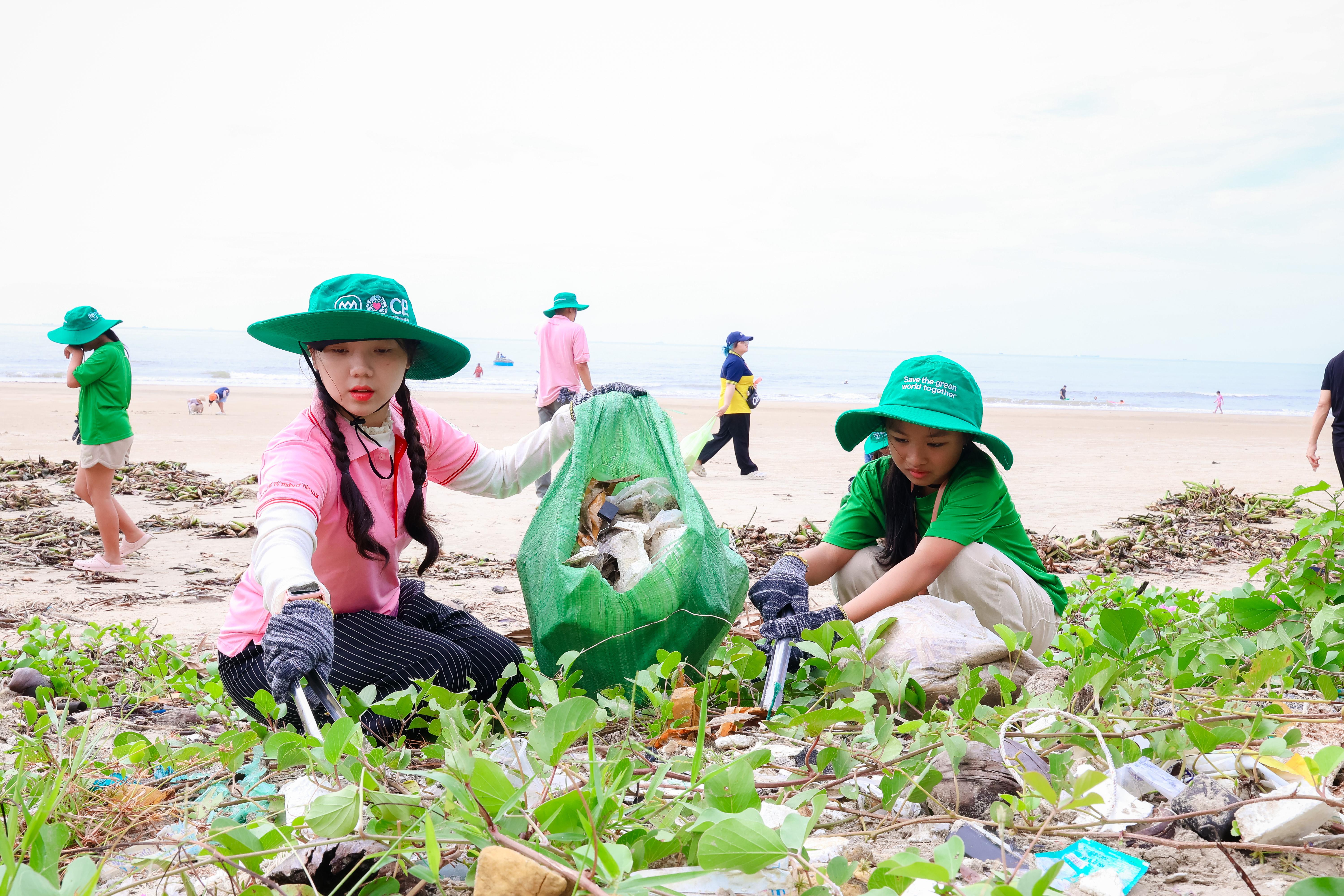
Climate change, resource depletion, and growing food demand are placing the agricultural sector under increasing pressure to transform toward greater efficiency and sustainability. According to the Food and Agriculture Organization of the United Nations (FAO), the world needs to develop agricultural systems capable of producing more with limited resources to meet the needs of a population projected to reach nearly 9.7 billion by 2050, while reducing environmental impacts and adapting to climate change.
Against this backdrop, modern agriculture is not only about increasing productivity but also about advancing sustainable development by combining local knowledge with modern technologies, data-driven management, and efficient resource use. It also provides a foundation for building safe, high-quality, and transparent food supply chains through the From Farm to Family journey, creating sustainable value for businesses, consumers, and communities. Here are five modern agricultural models that are helping shape the future of agriculture in a new era.
1. What Is Modern Agriculture?
Modern agriculture is a production model that combines an understanding of local conditions, including climate, weather, soil, and water resources, with science, technology, and innovation to improve production efficiency, optimize resource use, and promote sustainable development. It is also an important direction for the development of green agriculture, the circular economy, and digital transformation in Vietnam.
At its core, modern agriculture is based on data-driven management, where production decisions are supported by information systems and technology to optimize resources, control processes, improve product quality, and reduce environmental impacts. Beyond generating economic value, modern agricultural models seek to balance production growth with ecosystem protection, contributing to a sustainable and climate-resilient agricultural sector.
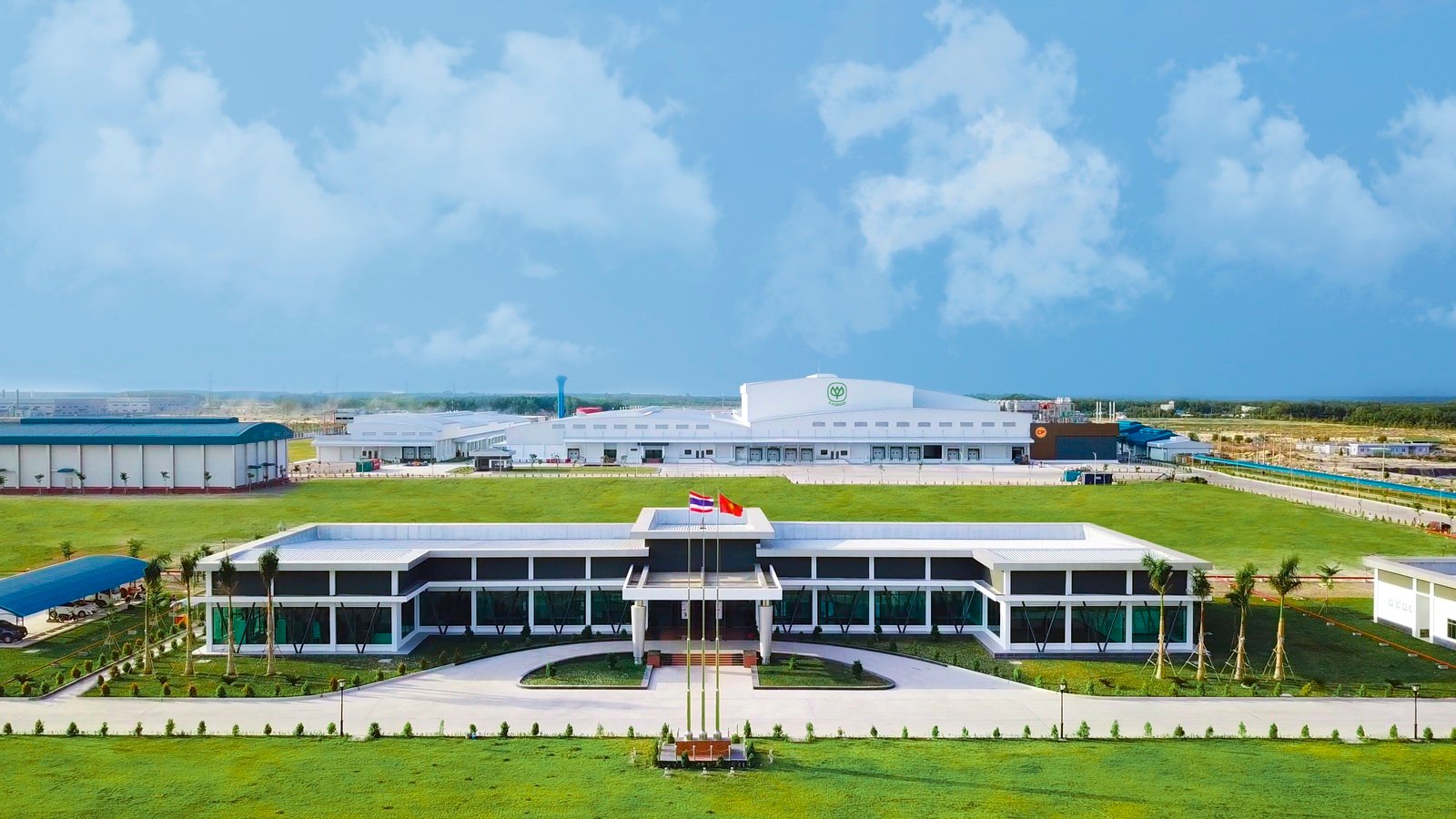
Modern agriculture integrates advanced technologies, scientific expertise, and modern management practices into production systems
2. Key Characteristics of Modern Agriculture
Modern agriculture is defined not only by the adoption of technology but also by how the entire production process is organized and managed. From establishing biosecure farms and increasing automation to digitizing data and ensuring traceability, each element contributes to greater production efficiency, optimized resource use, and a transparent and sustainable value chain.
- Closed-house farming systems: These systems help maintain suitable farming conditions by controlling temperature, humidity, ventilation, and lighting. As a result, livestock are better protected from weather conditions, disease risks are reduced, and biosecurity is strengthened.
- Increased automation across production processes: Technology is applied to manage safe, high-quality feed, provide drinking water, carry out routine care, and monitor animal health. This helps minimize operational errors, optimize resources, and improve management efficiency.
- Digitalization and traceability: Digital platforms are used to manage data across the entire production chain, supporting the From Farm to Family journey. Product information is made transparent through traceability systems, allowing consumers to easily access information about products and strengthening confidence in food quality.
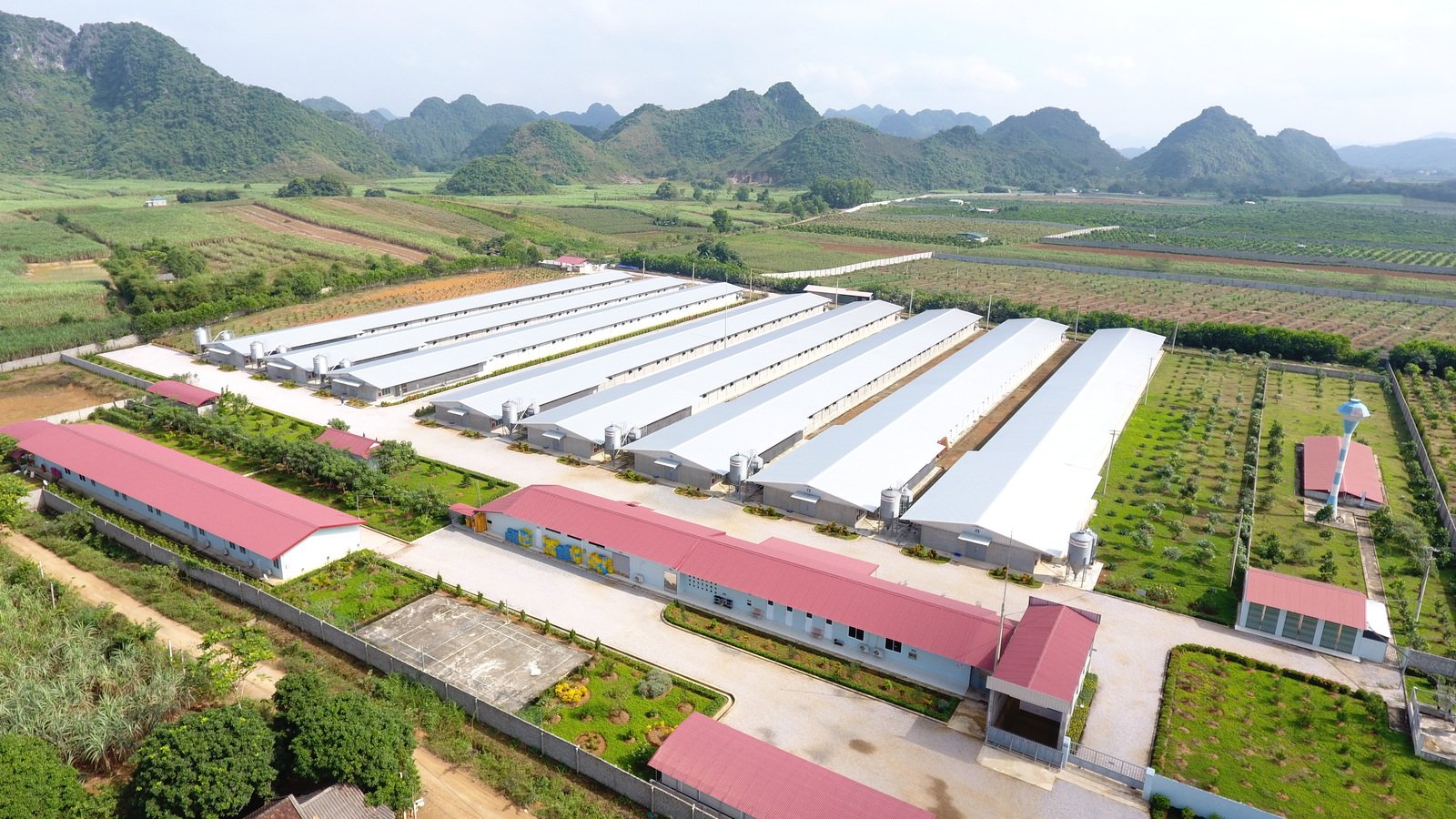
Modern farms equipped with closed-house systems help protect livestock from weather conditions while maintaining farm biosecurity
3. Popular Modern and Sustainable Agricultural Models in Vietnam
Amid the challenges posed by climate change, resource pressures, and growing food demand, the transition toward modern agricultural models has become an essential trend for the sector. Combining science, technology, and sustainable development solutions not only helps strengthen food security but also reduces environmental impacts and increases value across the production chain.
Below are five modern agricultural models being widely applied to build a more efficient, sustainable, and future-ready agricultural sector.
3.1. Circular Agriculture
Circular agriculture is a production model focused on efficient resource use by reusing and recycling by-products generated throughout the production process. Rather than treating waste as an end product, the model transforms it into new resources, helping reduce greenhouse gas emissions, conserve resources, and improve production efficiency.
In livestock farming, biogas technology is one of the typical solutions of circular agriculture. Livestock waste is collected and treated through a biogas system to generate biogas, which is then used as an energy source for farm operations. In addition, the digestate and treated wastewater can be further reused as organic fertilizer, creating a closed-loop resource cycle, reducing waste generation, and limiting carbon emissions.
With the goal of achieving Net Zero by 2050, C.P. Vietnam is gradually integrating circular economy practices across its value chain to reduce emissions, optimize resource use, and improve operational efficiency. The company captures methane from livestock waste through biogas systems, processes it, and uses it to generate electricity for farm operations. At the same time, C.P. Vietnam is increasing its use of renewable energy, with approximately 34% of its energy consumption coming from renewable sources, contributing to the green transition and sustainable agricultural development.
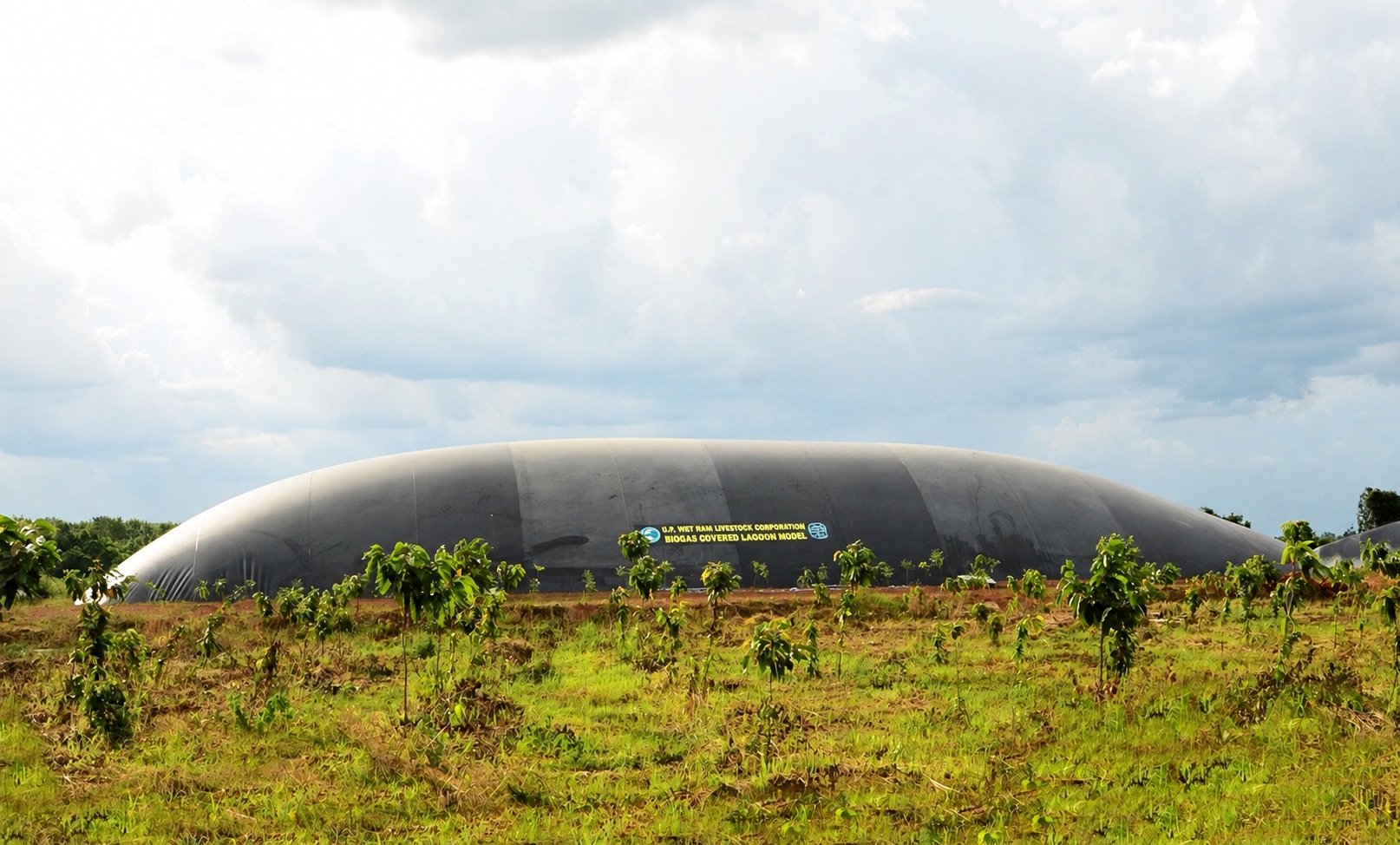
Methane from livestock waste is captured through biogas systems, processed, and used as an energy source for farm operations
>> Read more: C.P. Vietnam Applies the Circular Economy Model for a Sustainable Development Journey
3.2. High-Tech Livestock Farming with Closed-House Systems
High-tech livestock farming using closed-house systems focuses on establishing biosecure farms where farming conditions are managed through modern technologies to create a suitable environment for stable animal growth. This is one of the key models that helps improve production efficiency while meeting requirements for food safety, animal welfare, and sustainable development.
The system integrates intelligent control solutions to monitor and adjust temperature, humidity, ventilation, lighting, and air quality according to the animals’ growth stages. Greater automation in managing the farming environment helps reduce the impact of adverse weather conditions, support animal health, and minimize the risk of external disease agents entering the farm.
In addition to technological investment, this model is closely associated with Animal Welfare standards. Under C.P. Vietnam’s approach, livestock are cared for based on the Five Freedoms, including access to adequate nutrition, a suitable living environment, protection from pain and disease, the ability to express natural behaviors, and freedom from fear and distress.
At the same time, animal health management is supported by veterinarians, qualified laboratories, on-farm veterinary services, and responsible antibiotic use, contributing to stronger biosecurity and product quality throughout the production chain.
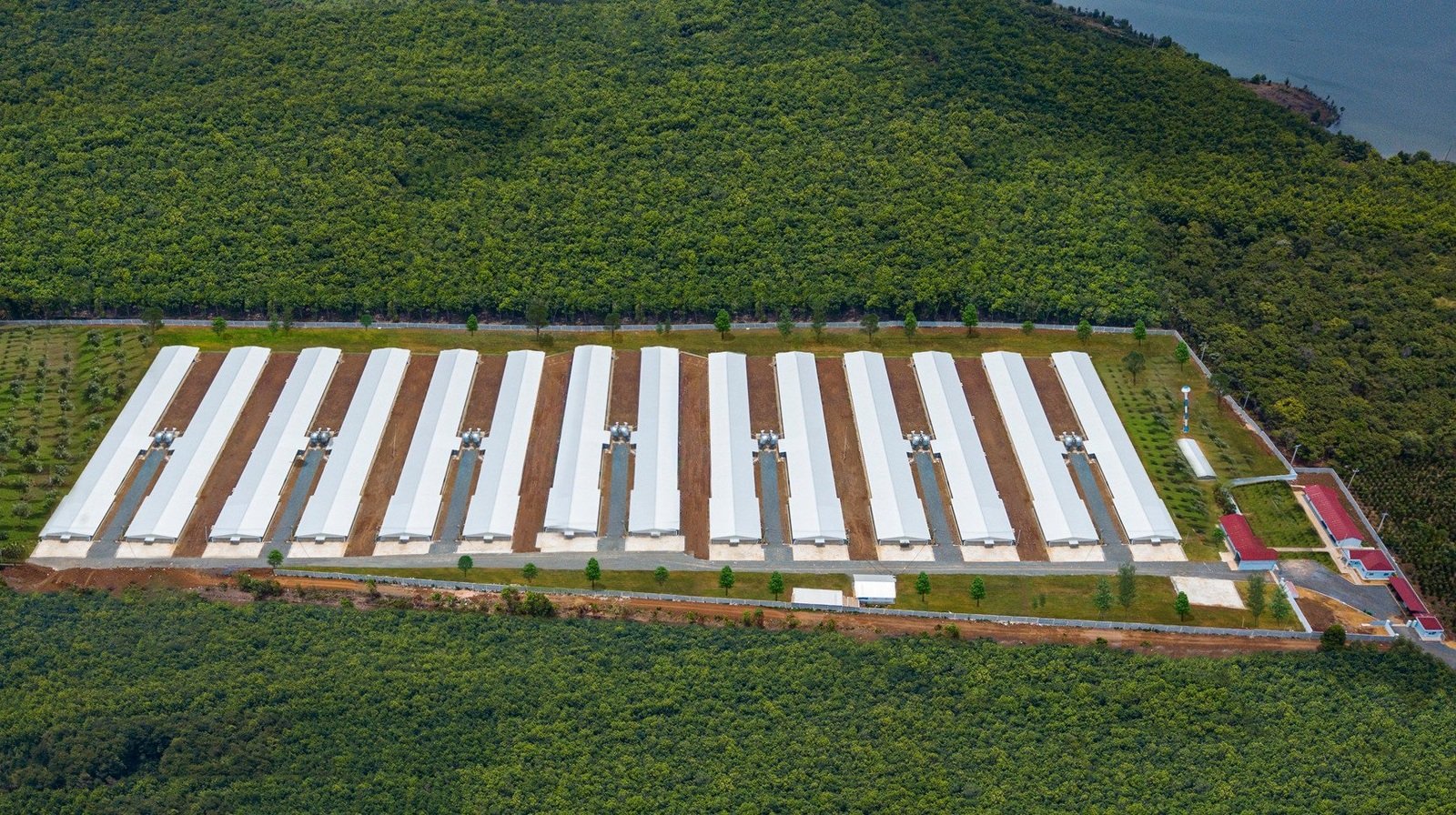
C.P. Vietnam’s high-tech farms operate under the Smart Farm model, helping improve production efficiency and promote sustainable development
>> Read more:
- C.P.’s Journey in Shaping the Livestock Industry
- C.P. Vietnam Named Among Top 5 Innovators in High-Tech Agriculture
- C.P. Vietnam Introduces a Sustainable Livestock Value Chain
3.3. The Integrated Feed – Farm – Food Model
The integrated Feed – Farm – Food model is a closely connected value chain spanning animal feed production, livestock farming, and food processing. The seamless integration of these stages enables businesses to proactively manage quality, optimize resources, and build a transparent From Farm to Family journey while meeting increasingly stringent requirements for food safety and sustainable development.
Feed focuses on producing animal feed under strict quality management and raw material controls to meet safety standards and provide a foundation for animal health and growth. At the Farm stage, livestock are raised in farms equipped with closed-house systems, combined with biosecurity procedures, animal health management, and animal welfare practices to maintain suitable farming conditions.
Finally, at the Food stage, raw materials are processed at facilities operating under quality management and traceability systems, helping deliver safe, high-quality food products to consumers.
According to C.P. Vietnam’s approach, the effectiveness of the Feed – Farm – Food model comes not only from the integration of its three components but also from the consistent application of quality management standards throughout the value chain. The company implements multiple internationally recognized management systems, combined with regular training at farms, factories, and distribution facilities to control quality at every stage.
In addition, the “3 Safeties” Program is implemented across the value chain, covering three levels: consumer safety, safety throughout the production chain, and safety ensured through qualified suppliers. Together, these efforts help strengthen trust in the From Farm to Family journey.
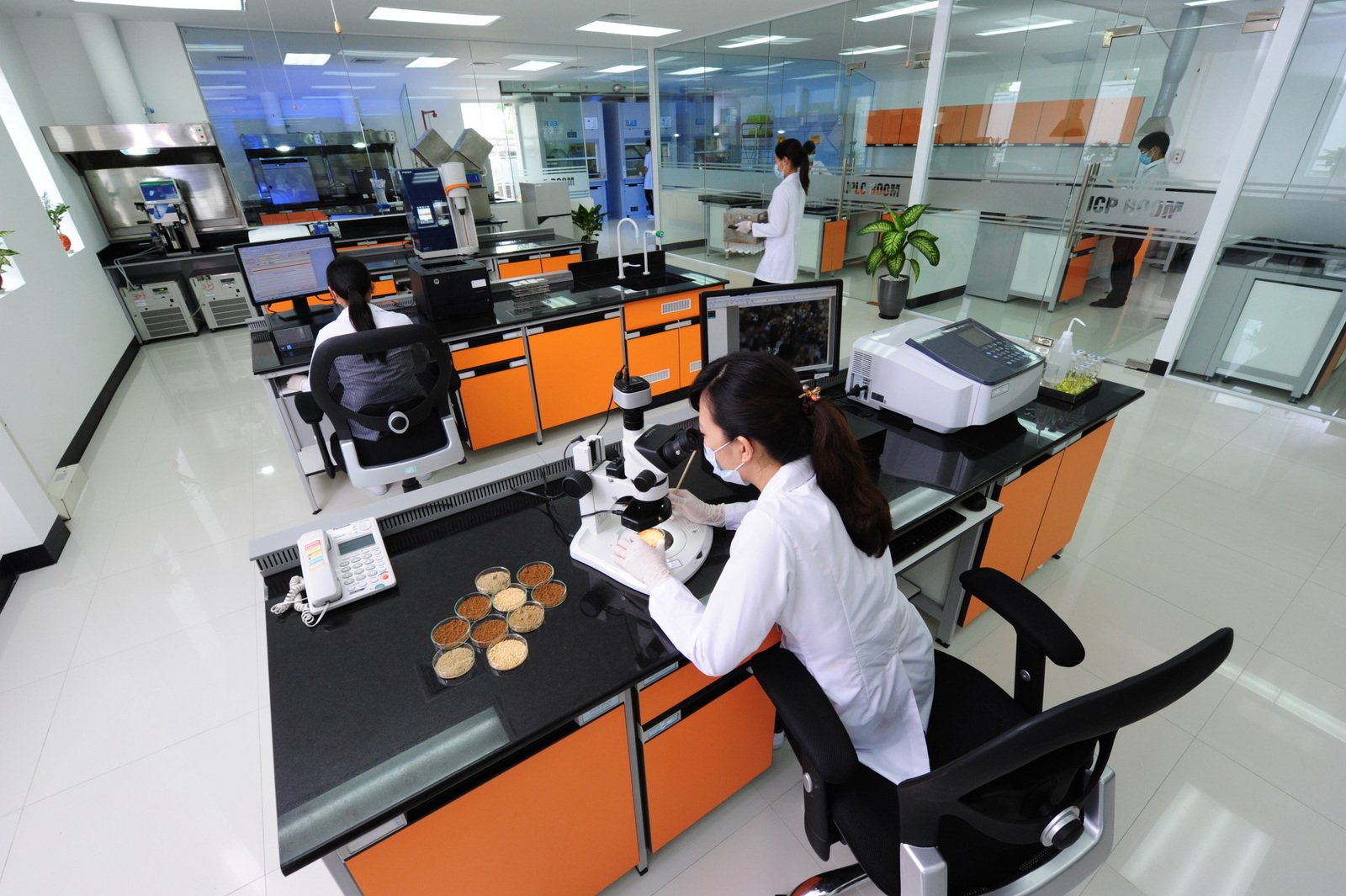
The integrated Feed – Farm – Food value chain helps control quality and ensure transparency throughout the From Farm to Family journey
3.4. Smart Farming and Digital Management
Smart Farming is a modern agricultural model that uses advanced technologies to digitalize the entire production, management, and operational process. Through platforms such as the Internet of Things (IoT), Big Data, Artificial Intelligence (AI), and digital management systems, data is collected and analyzed in real time to support decision-making, optimize resources, and improve production efficiency.
In livestock farming, Smart Farm solutions are implemented through closed-house systems combined with IoT, AI, and increased automation to monitor temperature, humidity, sanitation processes, and the farming environment. Continuously updated data enables remote monitoring of animal health, optimization of nutritional formulas, and timely adjustments to animal care according to each stage of development.
At the same time, digital management helps connect the entire value chain through data management platforms, quality control systems, and traceability solutions. This makes the From Farm to Family journey more transparent, allowing consumers to easily access information about the production, processing, and distribution of products.
C.P. Vietnam is implementing this approach across the Feed – Farm – Food value chain through Smart Farm solutions, Smart Production, and digital management platforms. Technology is used to synchronize data, support quality control, manage operations, and track sustainable development objectives.
In addition, the integration of IoT, AI, and increased automation at farms helps monitor the farming environment, track animal health, and optimize production processes, contributing to a safe, high-quality, and transparent food chain.
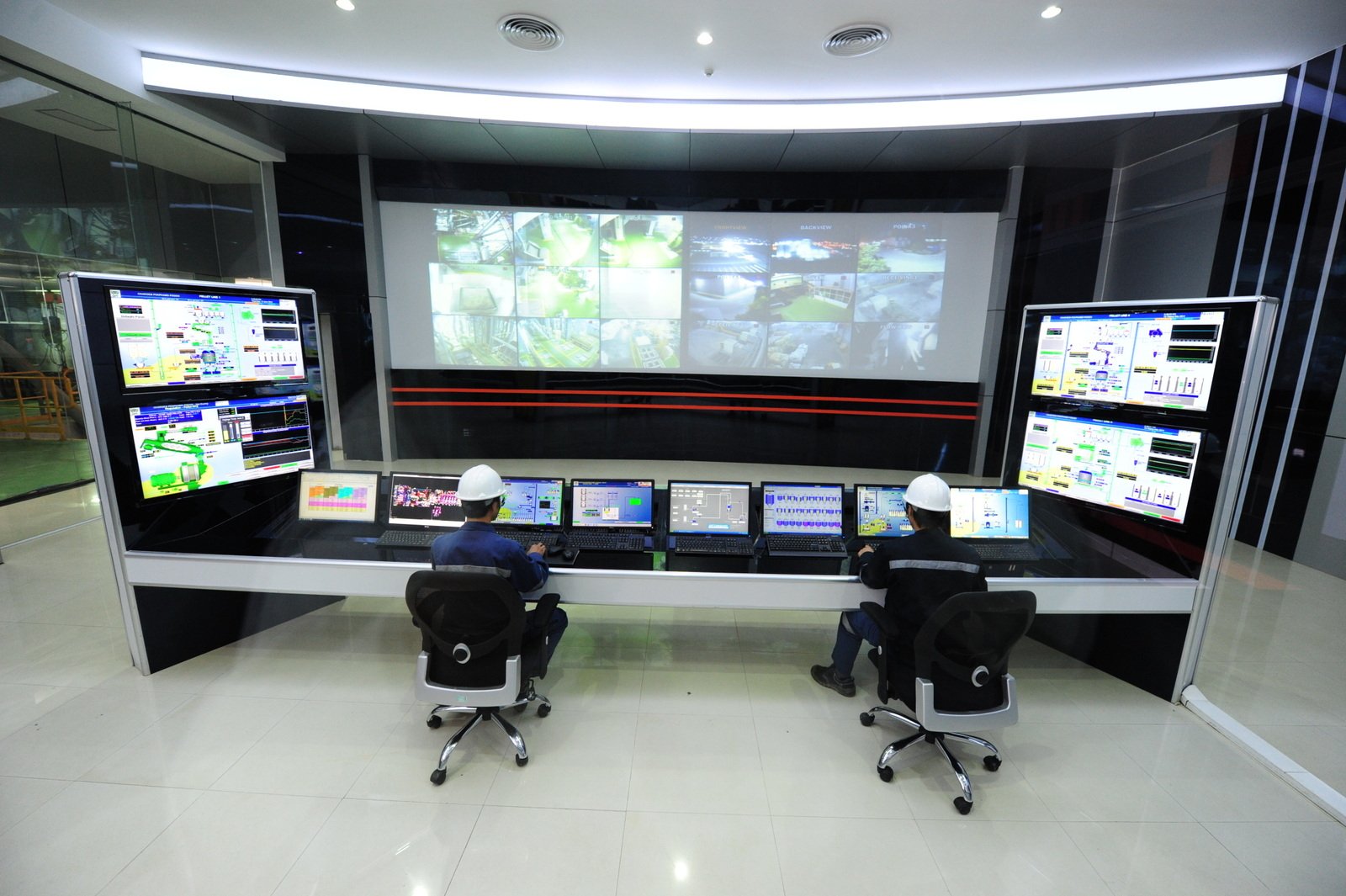
Smart Farming and digital management combine advanced technologies such as IoT, AI, and Big Data in agricultural production and management
>> Read more:
- C.P. Vietnam launches AI transformation projects to advance smart and sustainable agri-food value chains
- CP and FPT partner to advance AI-led Agri-food value chains
3.5. Climate-Resilient Agriculture and Biodiversity Conservation
Climate-resilient agriculture focuses on efficient resource use, emissions reduction, and biodiversity conservation to minimize environmental impacts. Through sustainable farming and livestock practices, this model seeks to create a balance between agriculture and nature, helping maintain ecosystems and strengthen resilience to the challenges posed by climate change.
To achieve this goal, various solutions are implemented to optimize resource use in production, including water conservation, increasing the use of renewable energy, recovering biogas from livestock waste, and reusing by-products under the circular economy model. These solutions contribute to reducing greenhouse gas emissions, using resources more efficiently, and promoting low-emission agriculture.
Restoring ecosystems and expanding green spaces are also important solutions for sustainable agricultural development. Since 2021, C.P. Vietnam has implemented the “C.P. Vietnam – Journey for a Green Vietnam” project in collaboration with local authorities, organizations, and communities to plant trees across provinces and cities throughout the country.
The program has recorded 1,520,467 trees planted across approximately 355 hectares, contributing to the restoration of green spaces, increased carbon absorption, and biodiversity conservation.
Alongside tree planting, C.P. Vietnam has implemented various nature conservation initiatives, including reducing plastic use, promoting packaging recycling, expanding renewable energy, and conserving wildlife. These efforts contribute to efficient resource use, reduced environmental impacts, and the gradual development of an agricultural model that works in harmony with nature, where economic development goes hand in hand with responsibility for protecting ecosystems and communities.
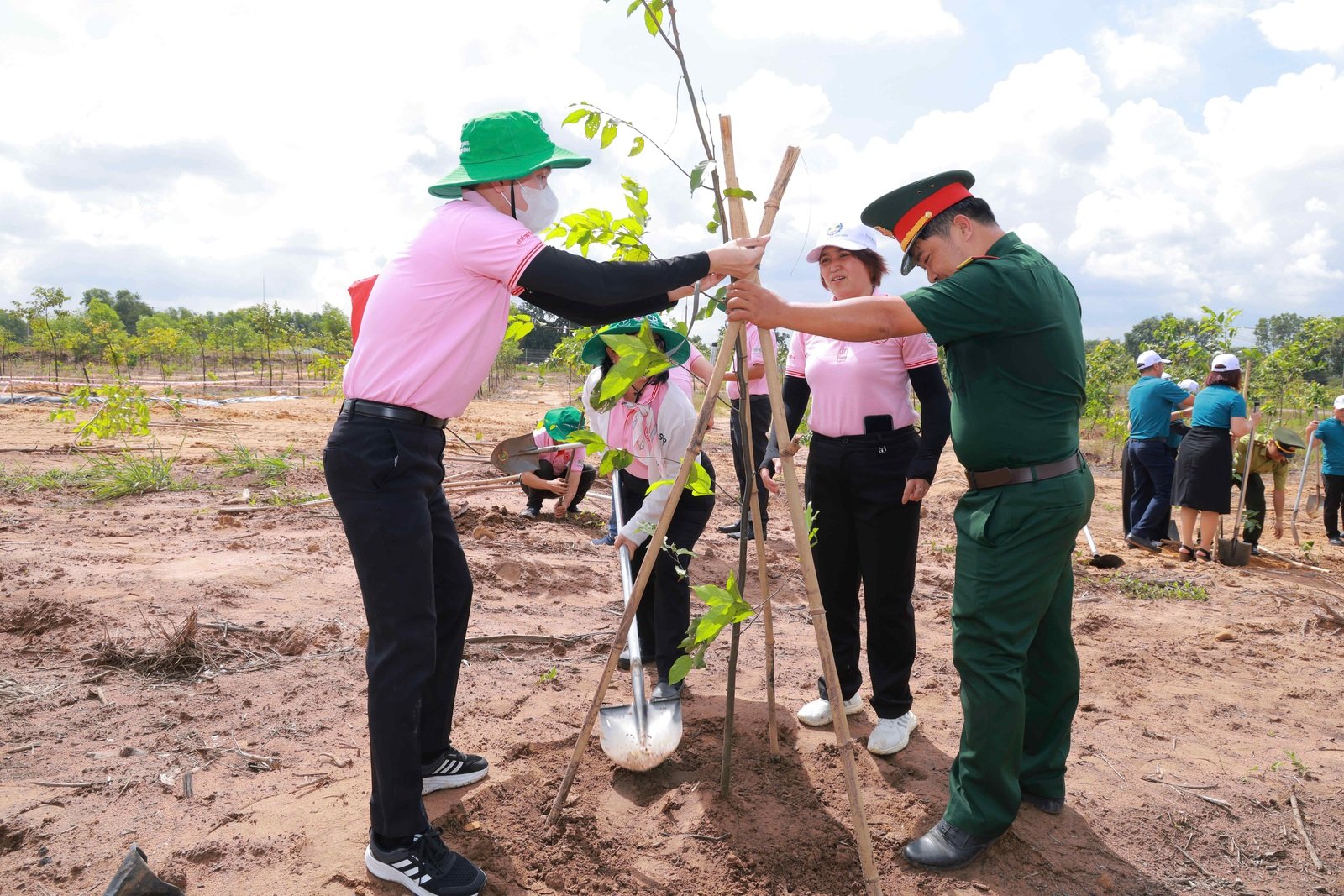
C.P. Vietnam representatives and delegates join a tree-planting activity during the 2026 “Tree Planting Festival in Eternal Gratitude to President Ho Chi Minh” in Dong Nai
>> Read more:
- Experience the flavors of C.P. Food at Thailand Week 2026
- Preserving the environment for future generations
- C.P. Vietnam showcases a sustainable livestock value chain
Building a More Sustainable Future for Agriculture
As the agricultural sector faces growing challenges from climate change, resource pressures, and increasingly demanding food quality requirements, transforming production models is no longer simply a trend but a decisive factor in sustainable development.
Combining local knowledge, modern technologies, and data-driven management solutions can improve production efficiency, optimize resource use, and reduce environmental impacts.
A successful modern agricultural model should not only generate economic value but also contribute to ecosystem protection, build safe and high-quality food chains, and create shared benefits for businesses, consumers, and communities. This provides a foundation for the agricultural sector to move toward greener, climate-resilient development and a more sustainable future.
“At C.P. Vietnam, we believe that every step forward in business must go hand in hand with the sustainability of our ecosystems. With our commitment to achieving Net Zero by 2050, C.P. Vietnam continues to put this responsibility into practice through the Circular Economy model and a sustainable, integrated Feed – Farm – Food value chain.
We strive to optimize the use of renewable energy, transform by-products into valuable resources, and remain committed to the ‘C.P. Vietnam – Journey for a Green Vietnam’ project, launched in 2021, with the goal of planting 3 million trees over 10 years to support carbon neutrality.
Together with C.P. Vietnam, let’s join hands for a greener planet, where every delicious meal not only provides nutritional value but also contributes to protecting the environment for future generations.”
Source: Sustainable Development Direction and Sustainable Projects | C.P. Vietnam
References
[1] Better land, soil and water management key to feeding 10 billion people, FAO warns.
[2] Ministry of Science and Technology, Resolution 57: Paving the Way for Green Agriculture and Circular Economy Development.
[3] Authority of Information, Statistics and Science and Technology, New Regulations on High-Tech Agricultural Zones.
[4] National Agricultural Extension Center, Good Farming Practices for Safe Pig Production in Smallholder Farms.
[5] Safegro Project, Guidelines for Safe and Sustainable Pig Farming.