Climate change is one of the major global issues receiving increasing attention from governments, organizations, and the international community due to its growing impacts on the environment, the economy, and people’s lives. According to the Department of Meteorology and Hydrology, in 2025, weather patterns remained complex, with rainfall in many areas across the country ranging from 15–40% above the long-term average. At the same time, tropical storms and depressions over the East Sea also showed increasingly complex patterns.
Climate change is having far-reaching impacts, posing significant challenges to socio-economic development, food security, and the long-term stability of global supply chains. For C.P. Vietnam, addressing climate change is reflected in its efforts to accelerate the green transition and gradually redefine its production model to improve efficiency and create sustainable value for the community.
1. What Is Climate Change?
According to the United Nations (UN), climate change refers to long-term changes in temperatures and weather patterns. These changes may result from natural factors, such as variations in solar activity. However, since the 19th century (the 1800s), the primary driver of climate change has been human activities, both direct and indirect, particularly the burning of fossil fuels such as oil, coal, and natural gas.
2. What Causes Climate Change Today?
Climate change results from a range of factors, including natural processes and human activities. According to the Intergovernmental Panel on Climate Change (IPCC), human influence is the primary driver of the complex changes observed in the global climate in recent years. Key causes include:
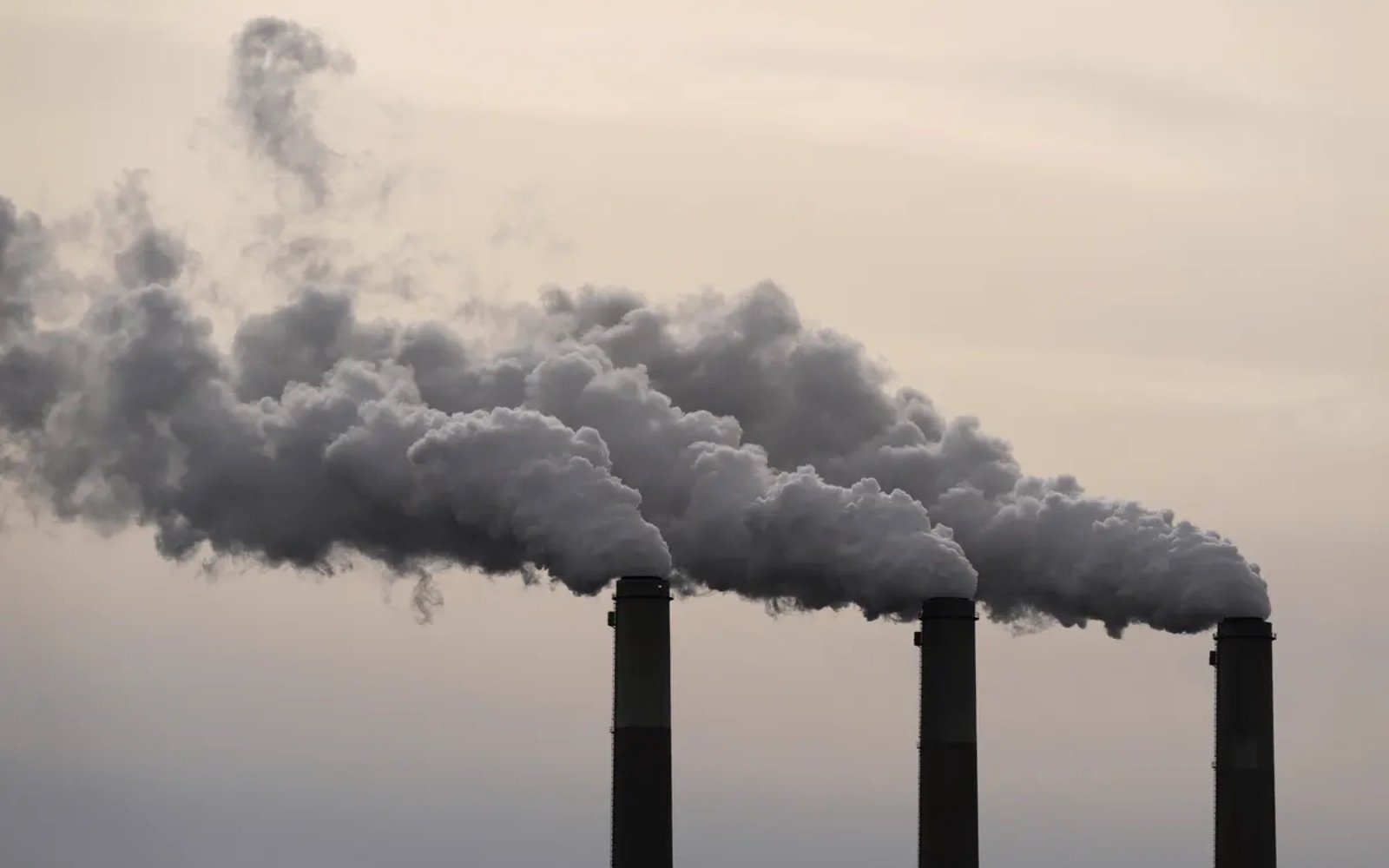
- Fossil fuel use: The use of energy derived from oil, coal, and natural gas in daily life, production, and transportation generates significant amounts of CO₂ emissions. These emissions directly contribute to the intensification of the greenhouse effect and accelerate climate change.
- Emissions from agriculture and livestock farming: Poor management of livestock waste and excessive use of chemical fertilizers in agriculture contribute to significant increases in nitrous oxide (N₂O) and methane (CH₄) concentrations. These greenhouse gases have a much greater heat-trapping capacity than CO₂, adversely affecting the atmosphere.
- Forest loss and land-use change: As natural forests are replaced by infrastructure, construction, or production activities, the Earth’s “green shield” is gradually diminished. This not only reduces the ability of natural ecosystems to absorb CO₂ but also releases large amounts of carbon stored in vegetation back into the environment.
- Emissions from production and supply chains: Inefficiencies in production, packaging, and product transportation not only result in wasted resources and energy but also increase greenhouse gas emissions.
- Inefficient resource use and waste management: Low reuse rates, combined with inappropriate resource extraction and consumption, contribute to increasing waste volumes. In particular, insufficient monitoring of waste decomposition at disposal sites can lead to the release of harmful emissions, directly threatening ecological balance.
3. What Are the Signs of Climate Change?
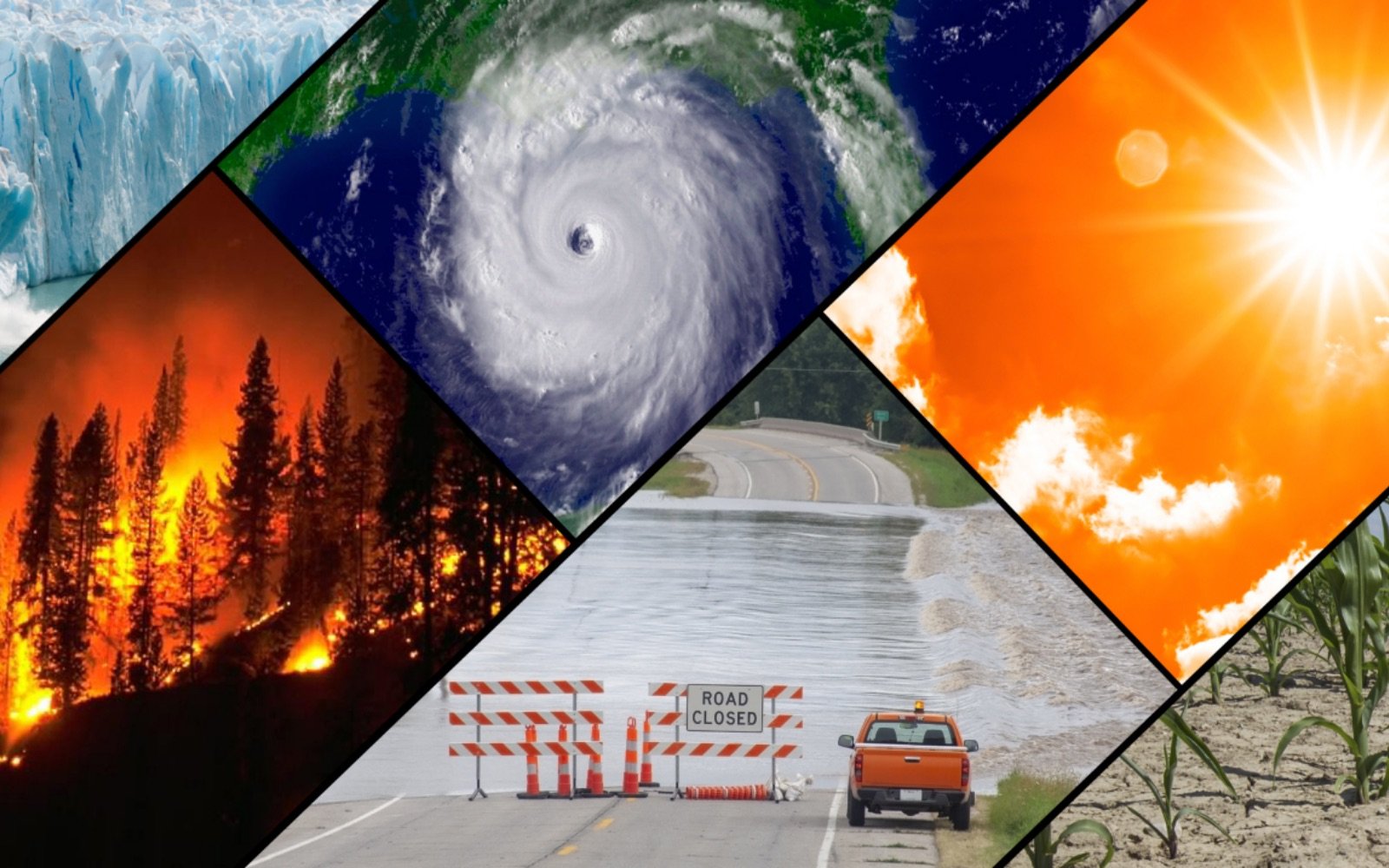
Climate change is becoming increasingly evident through recognizable signs, including rising temperatures, changes in sea levels and ecosystems, and the increasing occurrence of extreme weather events. These include:
- Global temperatures are rising: Since the late 19th century, average global temperatures have increased by approximately 1.18°C. This change is primarily driven by rising CO₂ emissions.
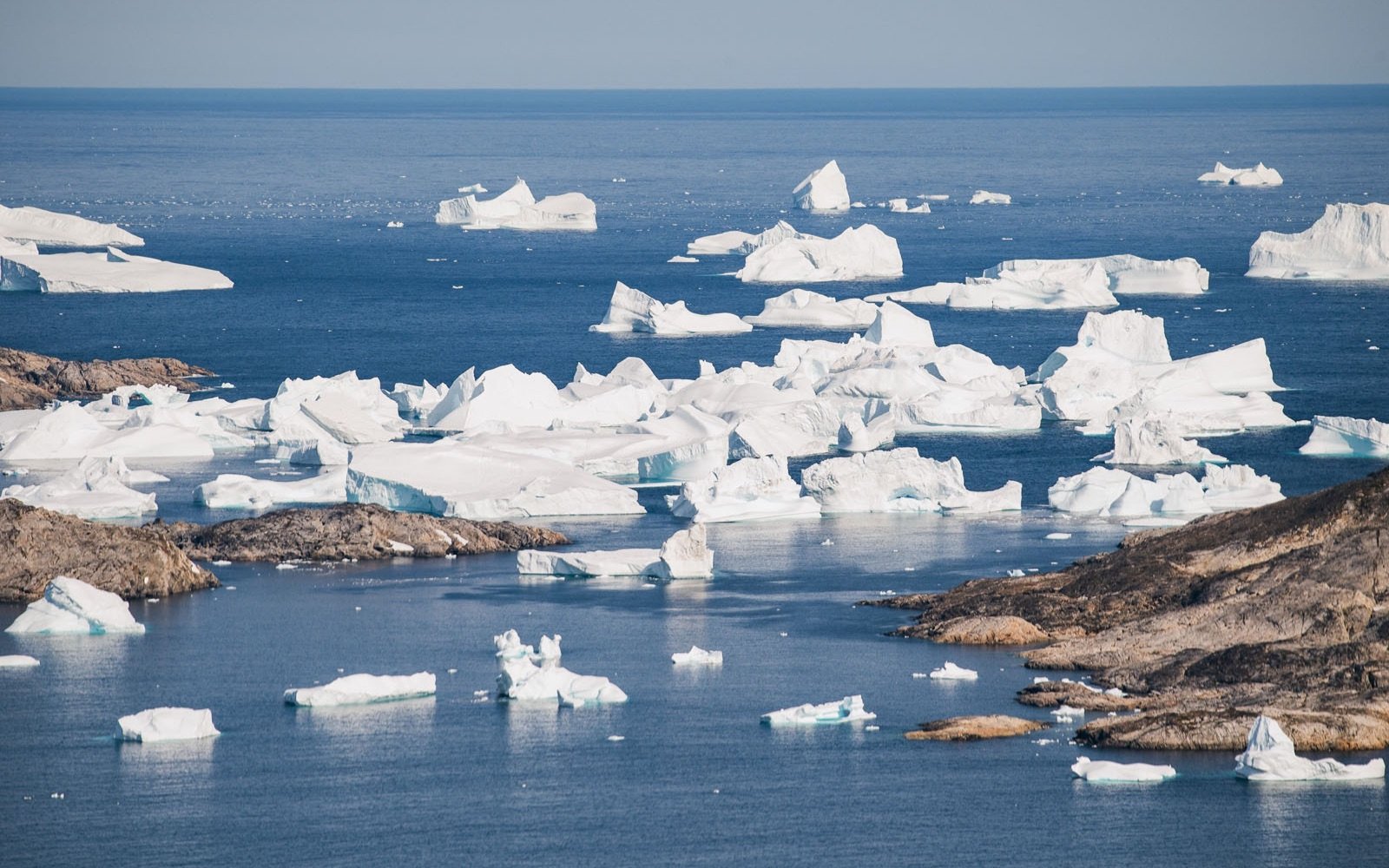
- Melting ice, disappearing glaciers, and declining snow and ice coverage: The mass of ice sheets in Antarctica and Greenland has declined significantly. According to data from NASA’s Gravity Recovery and Climate Experiment, approximately 279 billion tons of ice melt in Greenland and around 148 billion tons in Antarctica each year. These changes also affect ecological balance and contribute to rising sea levels.
- Warming and acidification of the oceans: Most of the excess heat generated as the Earth warms is not retained in the atmosphere but is absorbed by the oceans. Since 1969, the temperature of the upper 100 meters of the ocean has increased by approximately 0.33°C. At the same time, the acidity of surface ocean waters has increased by around 30% since the beginning of the Industrial Revolution.
- More frequent extreme weather events: Weather events such as heavy rainfall, heatwaves, droughts, severe storms, and wildfires are occurring more frequently and with increasing scale and intensity.
- Rising sea levels: The thermal expansion of seawater and melting ice caused by rising temperatures have led to continuous sea-level rise, disrupting marine ecosystems and threatening coastal areas.
4. Impacts of Climate Change on Ecosystems and People
Climate change not only alters natural conditions but also has far-reaching impacts on ecosystems, human health, and socio-economic development.
4.1. Impacts on Ecosystems
Climate change is directly affecting ecosystems, altering living conditions for numerous plant and animal species as well as other natural ecosystems.
- Declining biodiversity: Changes in rainfall, rising temperatures, and extreme weather events are threatening the habitats of many plant and animal species. Many species are being forced to seek new habitats and face declining populations or even extinction if they are unable to adapt.
- Declining forest area and quality: Prolonged heatwaves, wildfires, and droughts are occurring more frequently, leading to the degradation of many forest ecosystems. Forest loss not only significantly reduces CO₂ absorption capacity but also increases the risk of flash floods, landslides, and ecological imbalance.
- Degradation of marine ecosystems: Ocean acidification and rising seawater temperatures are having serious impacts on seagrass beds, coral reefs, and marine life. This reduces marine resources and disrupts food supply chains.
4.2. Impacts on People
Climate change affects not only natural ecosystems but also human health, livelihoods, and quality of life.
- Threats to food security: Climate change affects growing seasons and contributes to the spread of pests and diseases, reducing crop and livestock productivity. This directly affects food supplies and increases the risk of food insecurity.
- Impacts on human health: Air pollution, rising temperatures, and increasingly frequent natural disasters increase the risk of respiratory and cardiovascular diseases, as well as infectious diseases.
- Infrastructure and economic losses: Floods, storms, landslides, and droughts cause significant damage to transportation systems, production and business activities, infrastructure, and housing. The costs of recovering from natural disasters are increasing, affecting economic growth in many countries.
- Increased risks of displacement and loss of homes: Saltwater intrusion, prolonged natural disasters, and rising sea levels are making living conditions increasingly difficult in many areas. As a result, more people in these regions are being forced to relocate to areas with safer and more suitable living conditions.
5. Climate Change Solutions: C.P. Vietnam’s Practical Initiatives
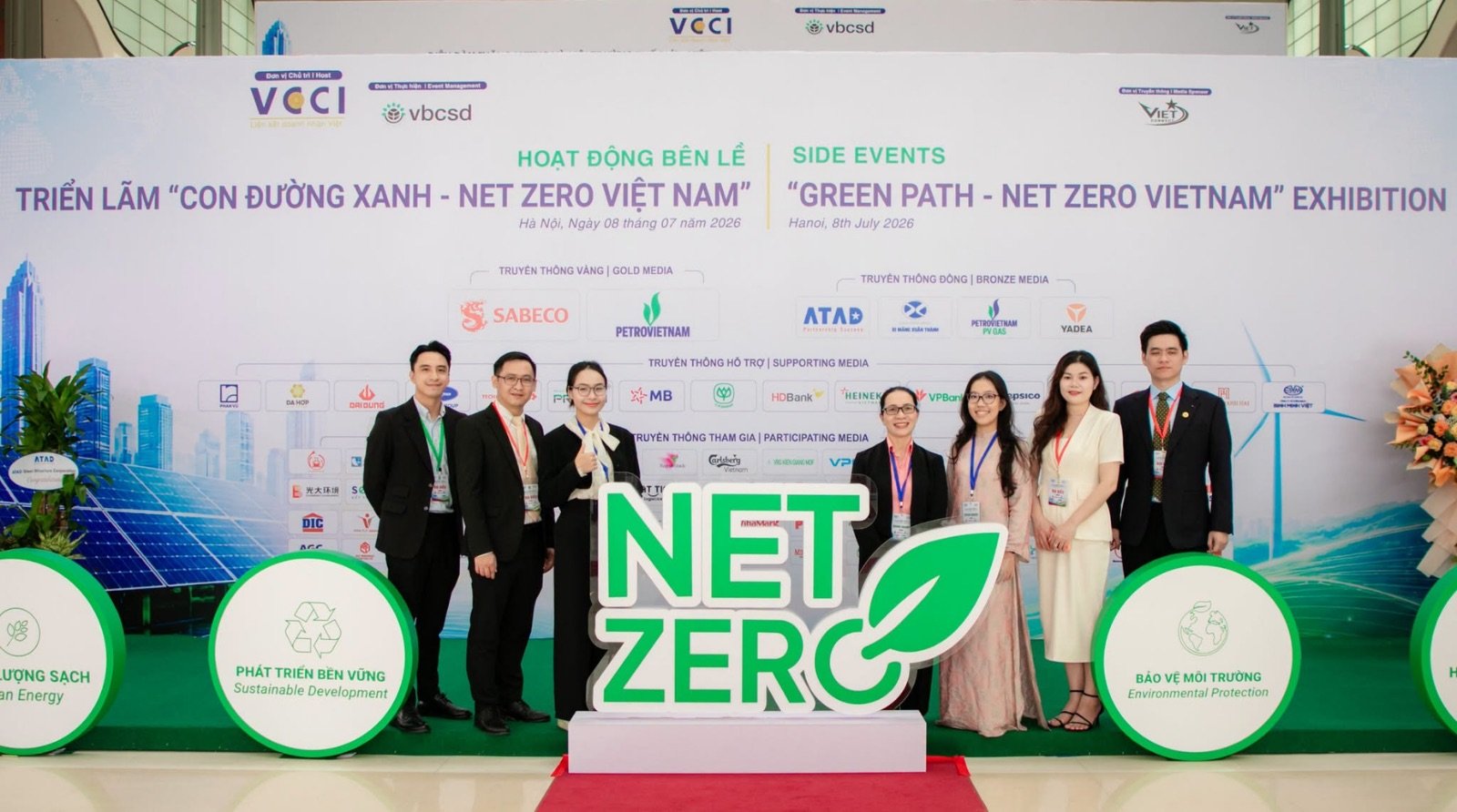
For C.P. Vietnam, addressing climate change is not simply an environmental responsibility but also an important part of the company’s sustainable development strategy. Solutions to minimize environmental impacts are implemented throughout C.P. Vietnam’s production and supply chain, contributing to the goal of achieving Net Zero by 2050.
- Promoting the use of renewable energy: C.P. Vietnam implements energy-efficiency solutions and increases the use of renewable energy sources, including biogas, biomass, and solar energy, to reduce greenhouse gas emissions. To date, renewable energy accounts for approximately 34% of the energy used across C.P. Vietnam’s business operations. At the same time, the company has stopped using coal since 2021.
- Applying circular economy principles: The company integrates circular economy principles into its production activities, with a focus on efficient resource use, increasing reuse, and reducing waste, thereby promoting green and sustainable development.
- Resource conservation and production optimization: C.P. Vietnam invests in modern equipment and machinery to improve production efficiency and reduce energy consumption. This helps significantly reduce fuel consumption and waste generated during production. At the same time, the company continues to promote technological innovation, including the use of robots, automated production systems, streamlined processes, and optimized production times to reduce energy consumption.
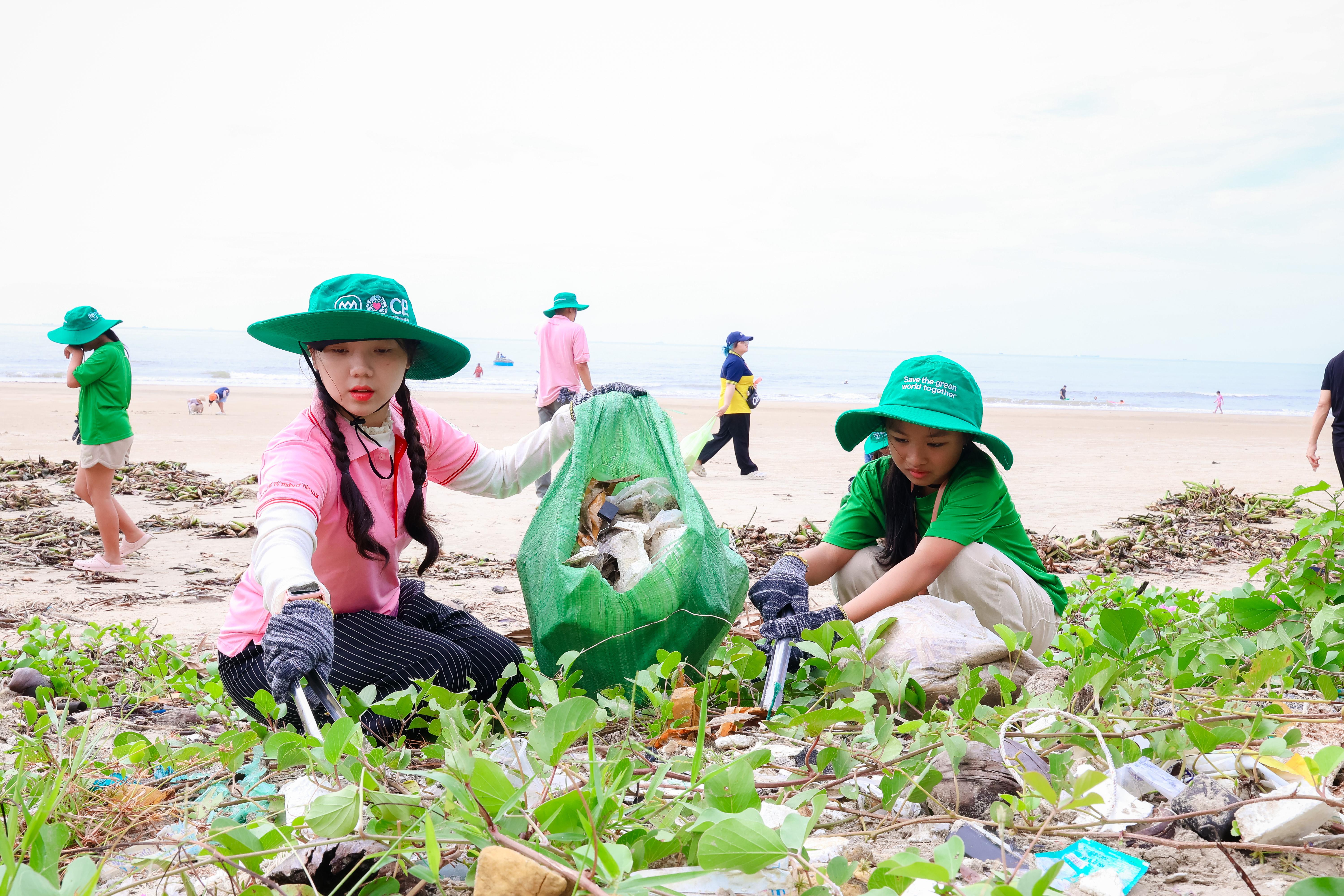
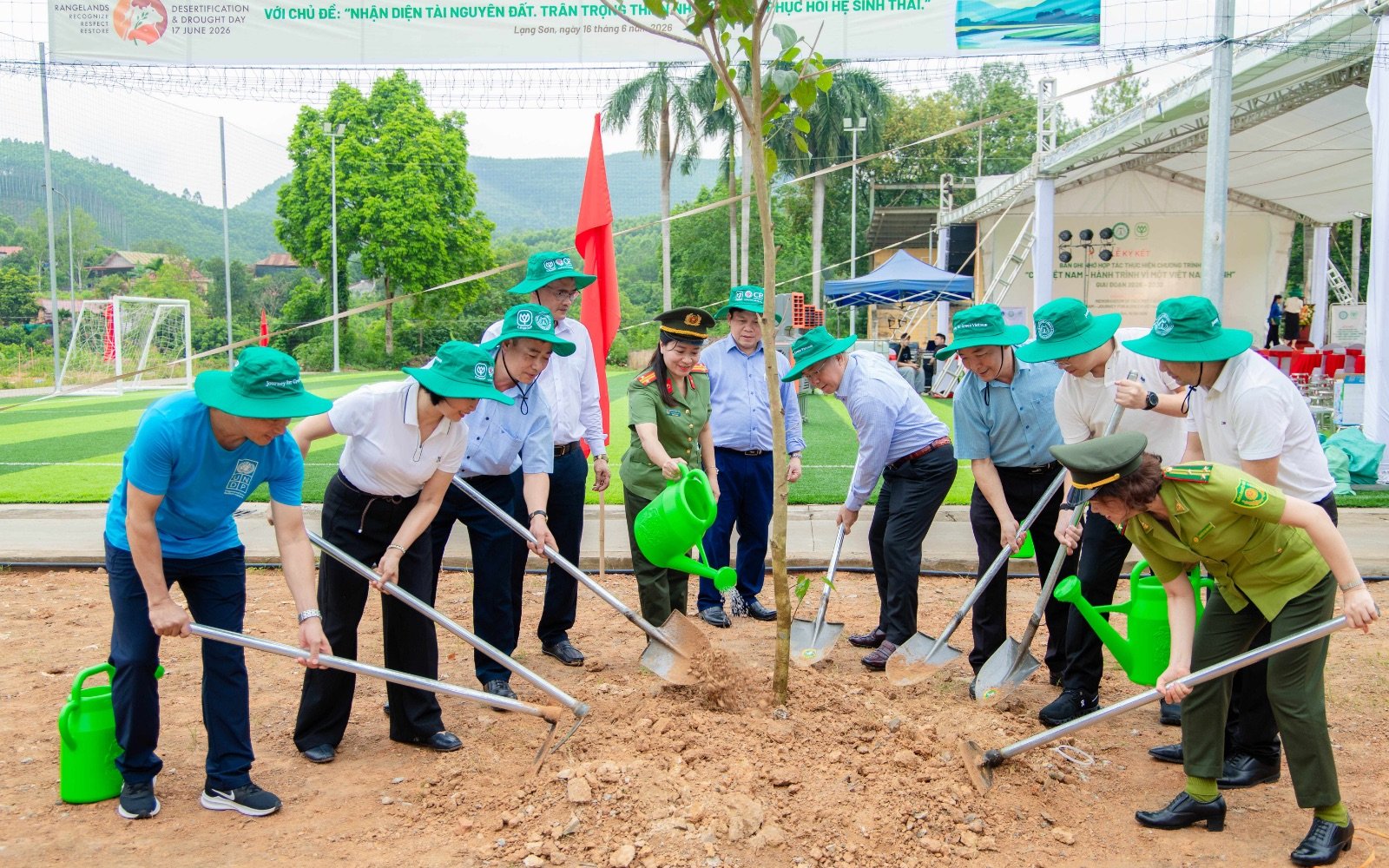
- Implementing environmental and social projects: Alongside efforts to “green” its internal operations, C.P. Vietnam continues to implement environmental and social initiatives. One notable example is the “C.P. Vietnam – Journey for a Green Vietnam 2026–2030” project, which aims to plant an additional 1.5 million trees, contributing to a total target of 3 million trees planted across Vietnam over a 10-year period.
Climate change is a global challenge that requires collective action from governments, businesses, and individuals. Raising awareness, changing consumption habits, and implementing emissions-reduction solutions are practical steps toward protecting the environment and promoting sustainable development for future generations.
With the goal of achieving Net Zero by 2050, C.P. Vietnam is focusing on solutions to reduce environmental impacts across its entire value chain. From animal feed production and farm development to food processing, the company operates an integrated Feed – Farm – Food model to optimize resources and promote the circular economy.
“At C.P. Vietnam, we believe that every step forward in business must go hand in hand with the sustainability of our ecosystems. With our commitment to achieving Net Zero by 2050, C.P. Vietnam continues to put this responsibility into practice through the Circular Economy model and a sustainable, integrated Feed – Farm – Food value chain.
We strive to optimize the use of renewable energy, transform by-products into valuable resources, and remain committed to the ‘C.P. Vietnam – Journey for a Green Vietnam’ project, launched in 2021, with the goal of planting 3 million trees over 10 years to support carbon neutrality.
Together with C.P. Vietnam, let’s join hands for a greener planet, where every delicious meal not only provides nutritional value but also contributes to protecting the environment for future generations.”
Source: Sustainable Development Direction and Sustainable Projects | C.P. Vietnam
References:
[1] Department of Meteorology and Hydrology, Conference on Meteorological and Hydrological Forecasting and Early Warning for 2026, June 23, 2026.
https://vnmha.mae.gov.vn/hoi-nghi-du-bao-canh-bao-som-tinh-hinh-khi-tuong-thuy-van-2026-17729.htm
[2] Ministry of Agriculture and Environment, Report on the Review of Disaster Prevention and Response Activities in 2025 and Implementation of Tasks for 2026.
[3] Ministry of Agriculture and Environment, Report on the Review of Disaster Prevention and Response Activities in 2025.
[4] Ministry of Natural Resources and Environment, National Plan for Adaptation to Climate Change for the 2021–2030 Period, with a Vision to 2050.
https://www.undp.org/sites/g/files/zskgke326/files/2023-06/vn_01-bao_cao_ky_thuat_nap_full.pdf
[5] United Nations in Viet Nam. Climate Change.
https://vietnam.un.org/en/174469-climate-change
[6] United Nations. (1992). United Nations Framework Convention on Climate Change: Article 1 – Definitions.
https://unfccc.int/resource/ccsites/zimbab/conven/text/art01.htm
[7] Intergovernmental Panel on Climate Change (IPCC). (2021). Climate Change 2021: The Physical Science Basis – Summary for Policymakers (Working Group I, Sixth Assessment Report). Cambridge University Press.
https://www.ipcc.ch/report/ar6/wg1/downloads/report/IPCC_AR6_WGI_SPM.pdf
[8] United Nations Viet Nam. Causes and Impacts of Climate Change.
[9] Greenpeace UK. Causes of Climate Change.
https://www.greenpeace.org.uk/challenges/climate-change/what-causes-climate-change/
[10] Reecotech. Climate Change: Causes, Impacts, and Solutions.
https://reecotech.com.vn/bien-doi-khi-hau-nguyen-nhan-tac-dong-bien-phap-ung-pho/
[11] Ministry of Agriculture and Rural Development, Clear Signs of Climate Change.
https://phongchongthientai.mard.gov.vn/Pages/cac-dau-hieu-ro-rang-cua-bien-doi-khi-hau.aspx
[12] International Fund for Animal Welfare (IFAW). Impacts of Climate Change on Humans and Our World.
https://www.ifaw.org/au/journal/how-does-climate-change-affect-us
[13] United Nations. Causes and Effects of Climate Change.
https://www.un.org/en/climatechange/science/causes-effects-climate-change
[14] Net Zero Viet Nam. C.P. Vietnam Puts Its Sustainability Commitments into Action Toward Net Zero.
https://netzero.vn/c-p-viet-nam-thuc-hanh-cam-ket-ben-vung-huong-den-muc-tieu-net-zero/
[15] Investment Review. C.P. Vietnam Puts Its Sustainability Commitments into Action Toward Net Zero.
https://baodautu.vn/cp-viet-nam-thuc-hanh-cam-ket-ben-vung-huong-den-muc-tieu-net-zero-d216923.html