As livestock farming increasingly shifts toward concentrated production models, particularly in large-scale pig farms, the volume of wastewater generated continues to rise, posing a significant risk of environmental pollution if it is not properly collected and treated. The selection and effective operation of livestock wastewater treatment technologies is therefore no longer an additional requirement, but a critical solution for controlling pollution, complying with environmental regulations, and ensuring the sustainable development of livestock production. The wastewater treatment process and commonly applied optimal technologies are explored below.
1. Characteristics of Livestock Wastewater
Livestock wastewater is generated primarily from barn cleaning and animal care activities. Its composition is diverse, notably including organic compounds (BOD and COD), nutrients (nitrogen and phosphorus), suspended solids, and certain microorganisms. These characteristics require wastewater collection and discharge management to be appropriately designed according to the conditions and scale of each livestock facility.
For facilities generating large volumes of wastewater, selecting an appropriate treatment technology is particularly important for controlling the quality of treated effluent. Current solutions not only aim to meet environmental requirements but can also incorporate the recovery and utilization of valuable by-products.
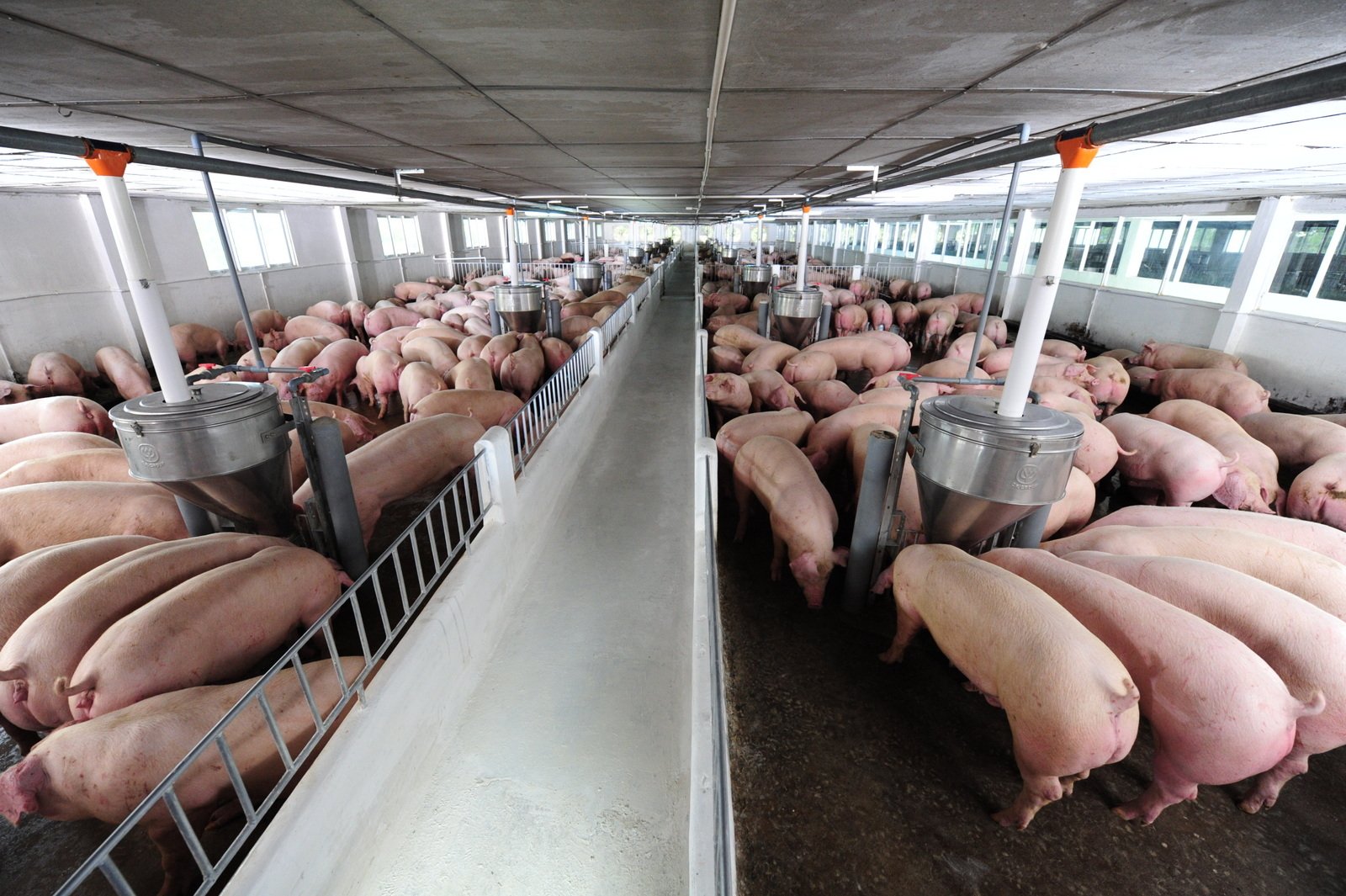
Effective livestock wastewater treatment is an essential requirement for modern livestock production.
2. Modern and Highly Effective Livestock Wastewater Treatment Technologies
Livestock wastewater has a complex composition, making it difficult for a single technology to achieve comprehensive treatment. Modern treatment systems typically combine multiple stages, from solid separation and biological treatment to physicochemical and advanced treatment processes, to simultaneously reduce BOD, COD, nitrogen, phosphorus, suspended solids, and microorganisms. The following are some of the widely applied livestock wastewater treatment technologies that can meet treatment requirements across different scales of livestock production.
2.1. Mechanical Solid-Liquid Separation Technology
This is a pretreatment stage carried out before the biological treatment tanks to reduce suspended solids and the pollutant load entering the system. For farms with high wastewater flows, separating solid waste at the outset helps ensure more stable operation of the subsequent treatment stages.
- Principle and treatment mechanism: Physical forces are used through equipment such as manure presses, rotary screens, or coarse screening systems to retain solid matter. After passing through the equipment, the wastewater contains significantly less manure, fibers, residual feed, and large particles before proceeding to biological treatment.
- Effectiveness: Helps remove waste, manure, suspended solids, and part of the organic matter at the beginning of the system, thereby reducing the load on biological treatment tanks and minimizing the risk of pipe blockages. This is an important step in controlling suspended solids, BOD, and COD in subsequent treatment stages.
- Practical value: Giảm nguy cơ tắc nghẽn đường ống, hạn chế cặn tích tụ và giảm tải cho bể xử lý phía sau. Phần chất rắn tách được còn có thể đưa sang hệ thống ủ phân, làm nguyên liệu sản xuất phân hữu cơ hoặc tiếp tục xử lý trong hầm biogas tùy điều kiện. Nếu tách chất rắn không tốt, các bể sinh học phía sau phải tiếp nhận lượng cặn lớn, dễ phát sinh sự cố và làm tăng chi phí vận hành.
2.2. Anaerobic Treatment and Biogas Recovery Technology
Anaerobic treatment is one of the technologies well suited to wastewater with a high organic load. In an oxygen-free environment, microorganisms break down organic matter and produce biogas, with methane (CH₄) being the component with energy value.
- Principle and treatment mechanism: This biological process uses groups of anaerobic microorganisms to break down organic matter in the absence of oxygen. Simply put, the system both “cleans” part of the wastewater and converts some of the organic matter into an energy source.
- Effectiveness: The technology is particularly suitable for reducing BOD and COD, while also treating part of the organic solids and helping control odors when the system is properly designed, enclosed, and operated. It is also an important step in reducing the load on the downstream aerobic treatment stage.
- Practical value: Recovers a significant amount of methane (CH₄) as a renewable energy source. Biogas can be burned to generate electricity, for cooking, or for heating piglets, helping reduce energy costs and greenhouse gas emissions.
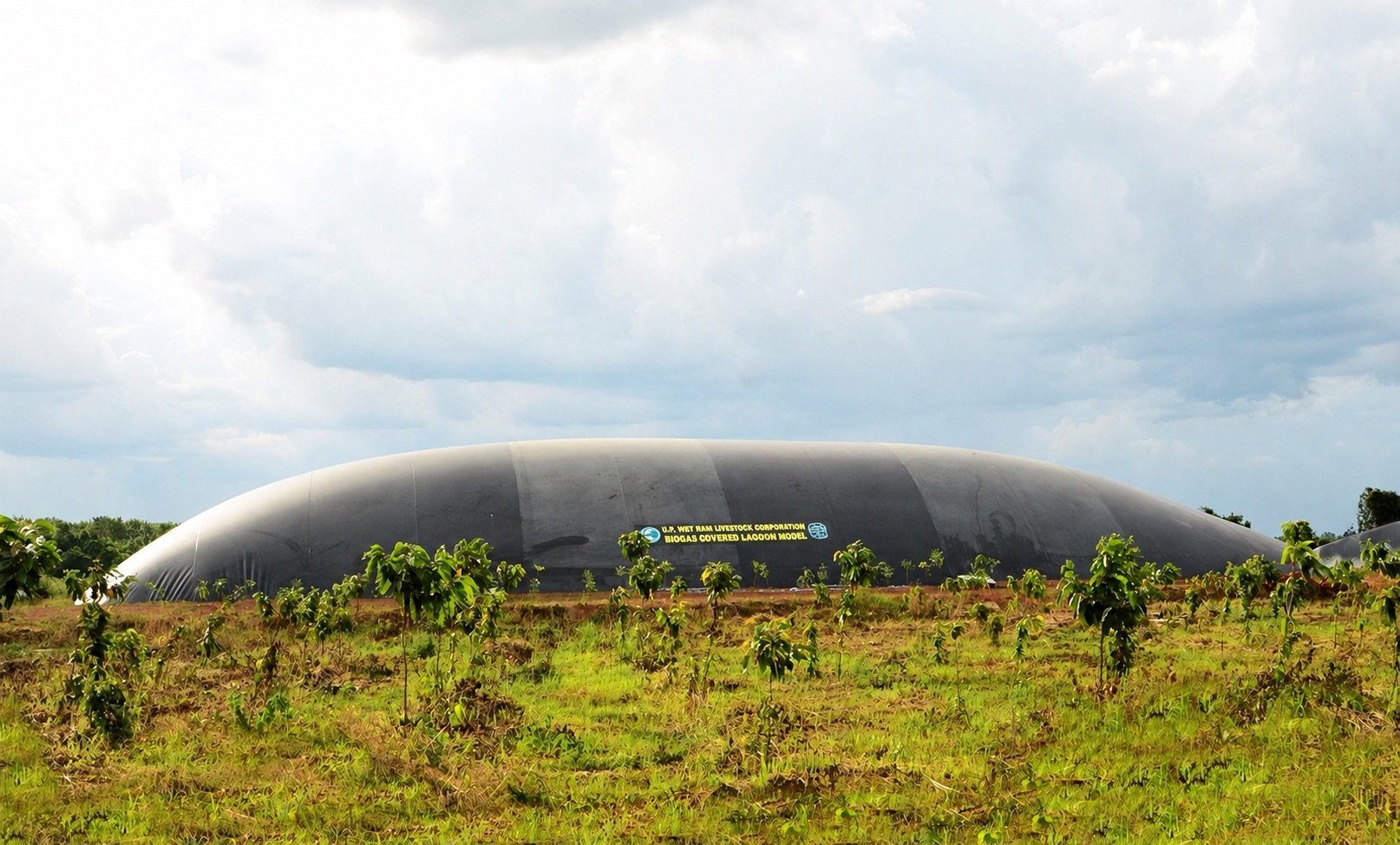
Công nghệ xử lý sinh học kỵ khí và thu hồi khí sinh học giúp giảm chi phí năng lượng và phát thải khí nhà kính
>> Tìm hiểu chi tiết: Công nghệ Biogas trong chăn nuôi
2.3. Công nghệ xử lý sinh học kết hợp thiếu khí - hiếu khí
Sau công đoạn kỵ khí, nước thải tuy đã giảm sâu COD nhưng vẫn còn chứa hàm lượng Nitơ và Photpho rất cao. Công nghệ xử lý sinh học kết hợp thiếu khí - hiếu khí là giải pháp tối ưu để giải quyết vấn đề này.
- Nguyên lý và cơ chế xử lý: Phương pháp sinh học sử dụng các quần thể vi sinh vật trong những điều kiện môi trường khác nhau để phân hủy chất ô nhiễm. Tại bể thiếu khí, vi sinh vật sử dụng các hợp chất chứa Nitơ trong quá trình chuyển hóa, hỗ trợ khử nitrat và giải phóng Nitơ dưới dạng khí. Sau đó, nước được đưa sang bể hiếu khí, hệ thống cấp oxy tạo điều kiện cho vi sinh vật phân hủy chất hữu cơ và chuyển hóa các hợp chất Nitơ.
- Hiệu quả: Sự kết hợp giữa hai môi trường thiếu khí và hiếu khí giúp giảm BOD, COD và hàm lượng Nitơ, từ đó nâng cao hiệu quả xử lý tổng thể. Đây cũng là công đoạn quan trọng giúp kiểm soát các chỉ tiêu ô nhiễm trước khi nước được đưa sang bước xử lý tiếp theo, đồng thời hạn chế mùi hôi phát sinh từ các hợp chất chứa Nitơ như amoni trong nước thải.
- Giá trị thực tiễn: Công nghệ có tính linh hoạt cao, có thể triển khai cho nhiều quy mô trang trại, từ các bể sinh học truyền thống đến hệ thống hiện đại tích hợp giá thể vi sinh. Nếu được thiết kế và vận hành đúng kỹ thuật, hệ thống có thể duy trì hiệu suất xử lý ổn định, giảm tải ô nhiễm hiệu quả và hạn chế sự phụ thuộc vào hóa chất trong quá trình xử lý.
>> Có thể bạn quan tâm:
- Ứng dụng IoT trong nông nghiệp thông minh
- Tìm hiểu 5 mô hình nông nghiệp hiện đại phát triển bền vững
2.4. Physicochemical Treatment Using Coagulation, Flocculation, and Sedimentation
Coagulation and flocculation are commonly applied when wastewater still contains high levels of suspended solids, colloidal particles, or compounds that are difficult to treat through biological processes. In modern treatment systems, this technology primarily serves as a supporting process to enhance overall treatment efficiency rather than completely replace biological treatment stages.
- Principle and treatment mechanism: This physicochemical process uses coagulants to destabilize fine particles in the wastewater. Flocculants are then added to help these particles bind together, forming larger and more easily separable flocs. The flocs are removed from the water through sedimentation.
- Effectiveness: This technology significantly reduces suspended solids while also helping remove some organic matter, color, and phosphorus in particulate form or in compounds capable of precipitation. Actual treatment performance depends on the characteristics of the influent wastewater, chemical dosage, and system operating conditions.
- Practical value: The system can rapidly improve water quality, particularly for pollutants that are not completely removed through biological treatment. It can also be readily adjusted according to the characteristics and pollutant load of the influent wastewater, while helping reduce the load on subsequent treatment stages and enabling the overall system to operate more stably and efficiently.
2.5. Advanced Treatment Technologies for Final Water Quality Improvement
When wastewater has passed through the main treatment stages but further quality improvement is required before discharge, or when treated water is intended for reuse, farms can incorporate advanced treatment technologies such as pressure filtration, membrane filtration, activated carbon, UV disinfection, or appropriate oxidation processes.
- Principle and treatment mechanism: This group of technologies encompasses a wide range of treatment methods, using physical, physicochemical, or combined mechanisms to further improve water quality. Membrane filtration helps retain fine particles and pollutants, activated carbon supports the adsorption of color- and odor-causing compounds, while UV light or disinfecting chemicals help control microorganisms. As a result, the treated water achieves a higher quality suitable for discharge or reuse.
- Effectiveness: Advanced treatment technologies help control residual pollutants that remain after conventional treatment stages, particularly suspended solids, turbidity, color, odor, and microorganisms. With specialized membrane systems, treatment performance can also be further enhanced for organic matter, nutrients, and dissolved compounds, significantly improving the quality of the final effluent.
- Practical value: Advanced treatment technologies improve final effluent quality and facilitate the reuse of treated water for appropriate purposes. However, these systems generally require higher investment, energy, and maintenance costs, particularly membrane technologies and filter media. Therefore, farm scale and intended water use should be carefully considered before selecting an appropriate technology.
>> Read more:
- C.P. Việt Nam đồng hành IPVS 2026, góp phần thúc đẩy thực hành chăn nuôi heo bền vững
- C.P. Việt Nam khởi động các dự án chuyển đổi AI, thúc đẩy chuỗi giá trị nông nghiệp - thực phẩm thông minh, bền vững
3. Giải pháp xử lý nước thải và quản lý chất thải trong chăn nuôi tại C.P. Việt Nam
Trong hoạt động chăn nuôi, C.P. Việt Nam định hướng quản lý chất thải và nước thải từ khâu phát sinh, thu gom, xử lý đến tận dụng các nguồn tài nguyên có thể thu hồi. Với mô hình tích hợp Feed - Farm - Food, C.P. Việt Nam chú trọng đầu tư các giải pháp công nghệ hiện đại nhằm giảm thiểu tác động đến môi trường, nâng cao hiệu quả xử lý và sử dụng hợp lý các nguồn tài nguyên. Quy trình bao gồm nhiều công đoạn như phân tách chất thải rắn - lỏng, xử lý kỵ khí bằng biogas, xử lý nước thải sau chăn nuôi và thu hồi năng lượng. Hệ thống xử lý tại C.P. Việt Nam kết hợp nhiều công nghệ hiện đại, tạo thành quy trình xử lý nhiều tầng, giúp kiểm soát các nhóm chất ô nhiễm và nâng cao chất lượng nước đầu ra.
Bên cạnh xử lý nước thải, khí sinh học phát sinh từ quá trình phân hủy kỵ khí có thể được thu hồi để tận dụng làm năng lượng, góp phần giảm chất thải và tối ưu nguồn tài nguyên. Nước sau xử lý, khi đáp ứng các yêu cầu cần thiết, có thể được tuần hoàn cho một số hoạt động phụ trợ như tưới cây xanh hoặc vệ sinh khu vực chăn nuôi. Cách tiếp cận này góp phần sử dụng hiệu quả tài nguyên, giảm tác động môi trường và thúc đẩy mô hình kinh tế tuần hoàn, đồng thời phù hợp với định hướng phát triển bền vững và mục tiêu Net Zero vào năm 2050 của C.P. Việt Nam.
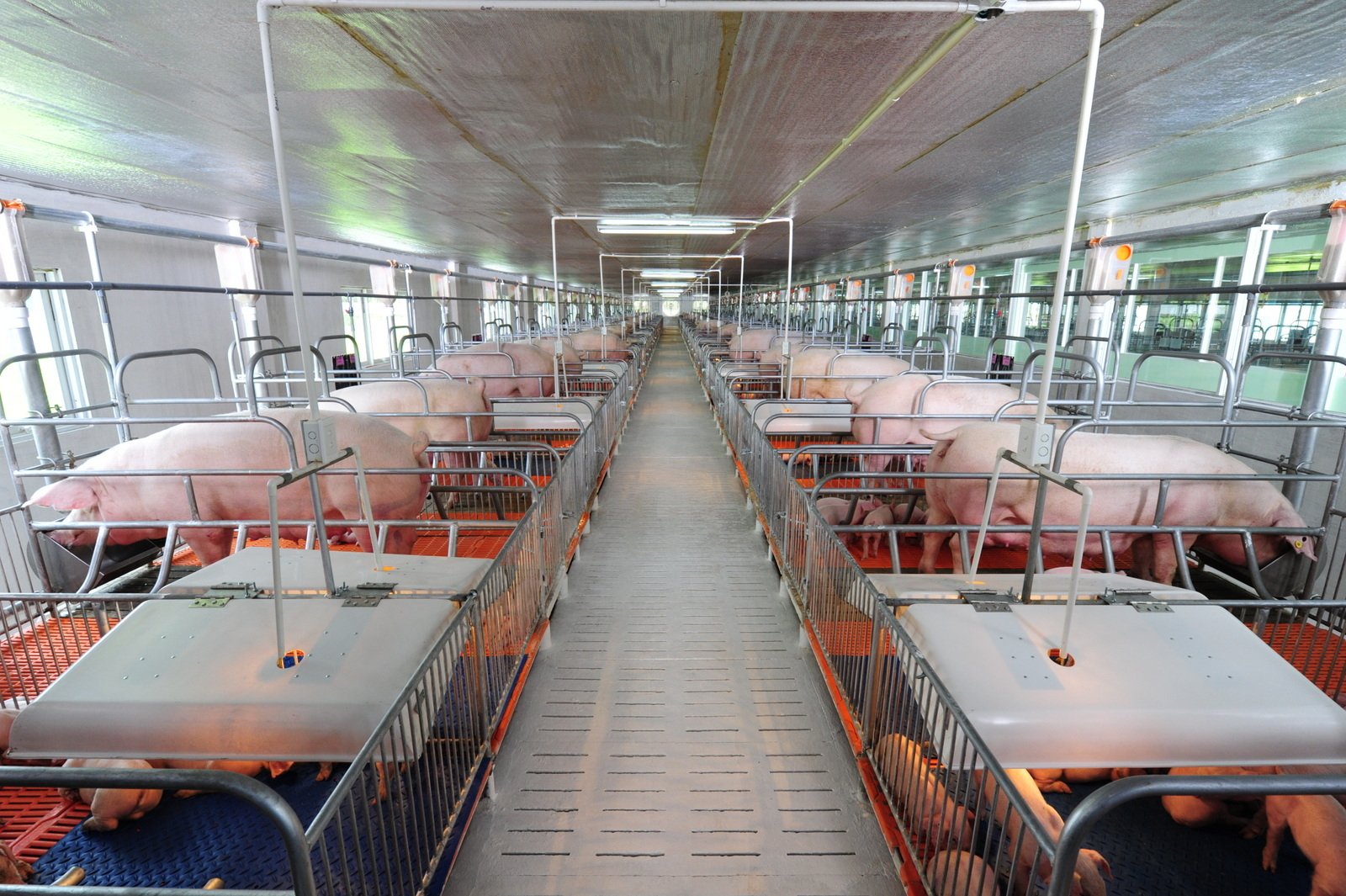
Thu hồi khí sinh học để tận dụng làm năng lượng, góp phần giảm chất thải và tối ưu nguồn tài nguyên
>> Tham khảo thêm:
- Dấu ấn C.P. trong hành trình định hình ngành chăn nuôi
- C.P. Việt Nam được vinh danh Top 5 đổi mới sáng tạo ngành nông nghiệp công nghệ cao
- C.P. Việt Nam giới thiệu chuỗi giá trị chăn nuôi bền vững
Xử lý nước thải chăn nuôi hiệu quả không thể dựa vào một công nghệ đơn lẻ mà cần sự kết hợp đa công nghệ, từ phân tách cơ học, xử lý sinh học kỵ khí, hiếu khí đến hóa lý và lọc nâng cao. Công nghệ xử lý nước thải chăn nuôi không chỉ giúp giải quyết triệt để bài toán ô nhiễm môi trường mà còn mở ra cơ hội thu hồi năng lượng và tái sử dụng tài nguyên vô giá.
“Tại C.P. Việt Nam, chúng tôi tin rằng mỗi bước tiến trong kinh doanh phải luôn đi đôi với sự bền vững của hệ sinh thái. Với cam kết hướng tới mục tiêu Net Zero vào năm 2050, C.P. Việt Nam không ngừng hiện thực hóa trách nhiệm qua mô hình Kinh tế tuần hoàn và chuỗi giá trị tích hợp Feed - Farm - Food bền vững.
Chúng tôi nỗ lực tối ưu hóa năng lượng tái tạo, xử lý phế phẩm thành nguồn tài nguyên và kiên trì với dự án “C.P. Việt Nam - Hành trình vì một Việt Nam xanh” được triển khai từ 2021, hướng tới mục tiêu trồng 3 triệu cây xanh trong 10 năm để trung hòa carbon.
Together with C.P. Vietnam, let’s join hands for a greener planet, where every delicious meal not only provides nutritional value but also contributes to protecting the environment for future generations.”
Nguồn: Định hướng phát triển bền vững và Dự án bền vững | C.P. Việt Nam
Tài liệu tham khảo:
[1] Tạp chí Khoa học Kỹ thuật Mỏ - Địa chất. Đánh giá hiệu quả xử lý nước thải chăn nuôi heo bằng mô hình sinh học lọc ngược dòng cải tiến kết hợp sử dụng giá thể vi sinh.
https://jmes.humg.edu.vn/images/paper/11Nguyen%20Minh%20Ky%20177-185.pdf
[2] Tạp chí Điện tử Nông nghiệp hữu cơ Việt Nam. Nước thải chăn nuôi: Gánh nặng môi trường và bài toán phát triển bền vững.
[3] Tạp chí Môi trường. Đánh giá hiệu quả xử lý nitơ và phốt pho trong nước thải chăn nuôi bằng pistia stratiotes.
[4] Tạp chí Khoa học & Công nghệ. Đề xuất công nghệ xử lý nước thải trang trại lợn nhằm giảm thiểu tác động đến hồ Suối Hai, Ba Vì.
https://jst.tnu.edu.vn/jst/article/viewFile/246/pdf
[5] Tạp chí Khoa học Nông nghiệp Việt Nam. Xử lý nước thải sinh hoạt và nước thải chăn nuôi bằng tảo bám trên vật liệu lọc.
https://tapchi.vnua.edu.vn/wp-content/uploads/2020/02/tap-chi-so-10.1.4.pdf
[6] Bài báo khoa học. phân tích, đánh giá khả năng ứng dụng của bãi lọc trồng cây nhân tạo để xử lý nước thải chăn nuôi lợn sau Biogas.