Amid climate change and growing food demand, the agricultural sector needs to increase productivity, optimize resources, and pursue sustainable development. In response to these emerging demands, traditional agriculture is gradually transitioning toward smart agriculture, supported by modern technologies. Among these, IoT technology in agriculture (the Internet of Things) is considered a key enabler, helping strengthen monitoring, automate production, and improve resource efficiency, thereby contributing to the development of a modern and sustainable agricultural sector.
1. What Is IoT Technology in Agriculture?
The Internet of Things (IoT) is a network of smart devices connected through the Internet to collect, transmit, process, and analyze data from the physical environment. In agriculture, IoT creates a connected ecosystem linking the production environment, equipment, and farm managers, enabling data to be collected, exchanged, and processed throughout the farming process, thereby gradually increasing automation and production efficiency.
In general, IoT in agriculture operates through four main steps:
- Data collection through sensors: Specialized sensors installed on farms continuously measure environmental parameters such as temperature, soil moisture, pH levels, light, CO₂ concentrations, and livestock health indicators.
- Data transmission: Information collected by sensors is transmitted wirelessly through Wi-Fi, 4G/5G, LoRaWAN, or Zigbee to a central storage system or cloud platform.
- AI/Big Data analysis: Artificial intelligence (AI) algorithms and Big Data analytics process large volumes of data, compare it against established scenarios and benchmarks, and provide assessments, disease forecasts, or identify anomalies.
- Automated decision-making and control: Based on the analysis, the system activates devices such as irrigation pumps, ventilation fans, shading systems, and automatic feeding systems, or sends instant alerts to managers via mobile applications.
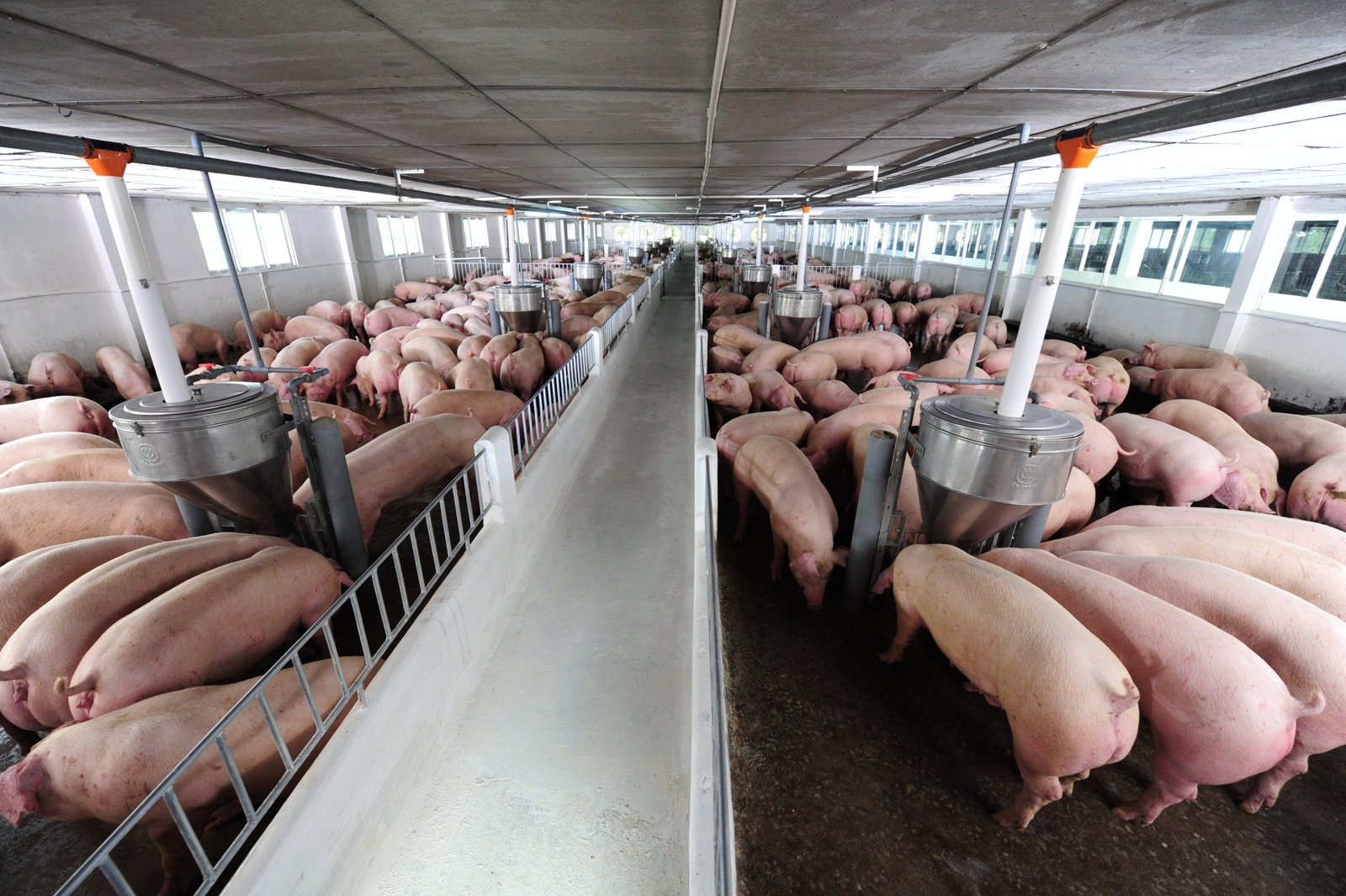
IoT technology supports process automation while improving productivity and quality in agricultural production
>> Read more:
- C.P. Vietnam Named Among Top 5 Innovators in High-Tech Agriculture
- C.P. Vietnam Launches AI Transformation Projects to Advance a Smart and Sustainable Agri-Food Value Chain
- C.P. and FPT Drive AI Transformation Across Vietnam’s Agri-Food Value Chain
2. Benefits of Applying IoT in Agriculture
The transition from traditional production methods to IoT-enabled agriculture is bringing significant changes to farming and livestock production.
2.1. Optimizing and Conserving Resources: Water, Feed, and Fertilizer
In traditional farming, irrigation, fertilization, and livestock feeding are often based on experience, established habits, or fixed schedules. This makes it difficult to accurately determine actual requirements and can lead to over- or under-use of inputs, resulting in resource waste and higher production costs.
By contrast, IoT technology in agriculture enables real-time data collection and analysis to support more precise decision-making. Sensors measuring soil moisture, temperature, rainfall, and other environmental factors help determine the right timing and amount of water and fertilizer required. In livestock farming, IoT can monitor animal numbers, weight, growth rates, and nutritional requirements to adjust feed rations accordingly. This helps reduce resource waste, lower costs, and minimize environmental impacts.
2.2. Reducing Labor Requirements and Automating Production Processes
IoT technology in agriculture can significantly reduce the labor and time required for manual inspections and operations. Instead of physically visiting each area to inspect conditions and collect data, managers can monitor operations 24/7 through smartphones or computers from virtually anywhere.
Processes such as irrigation, switching cooling fans on and off, feeding, and lighting can be fully automated according to pre-programmed scenarios. This helps reduce the workload for employees and minimize dependence on manual labor.
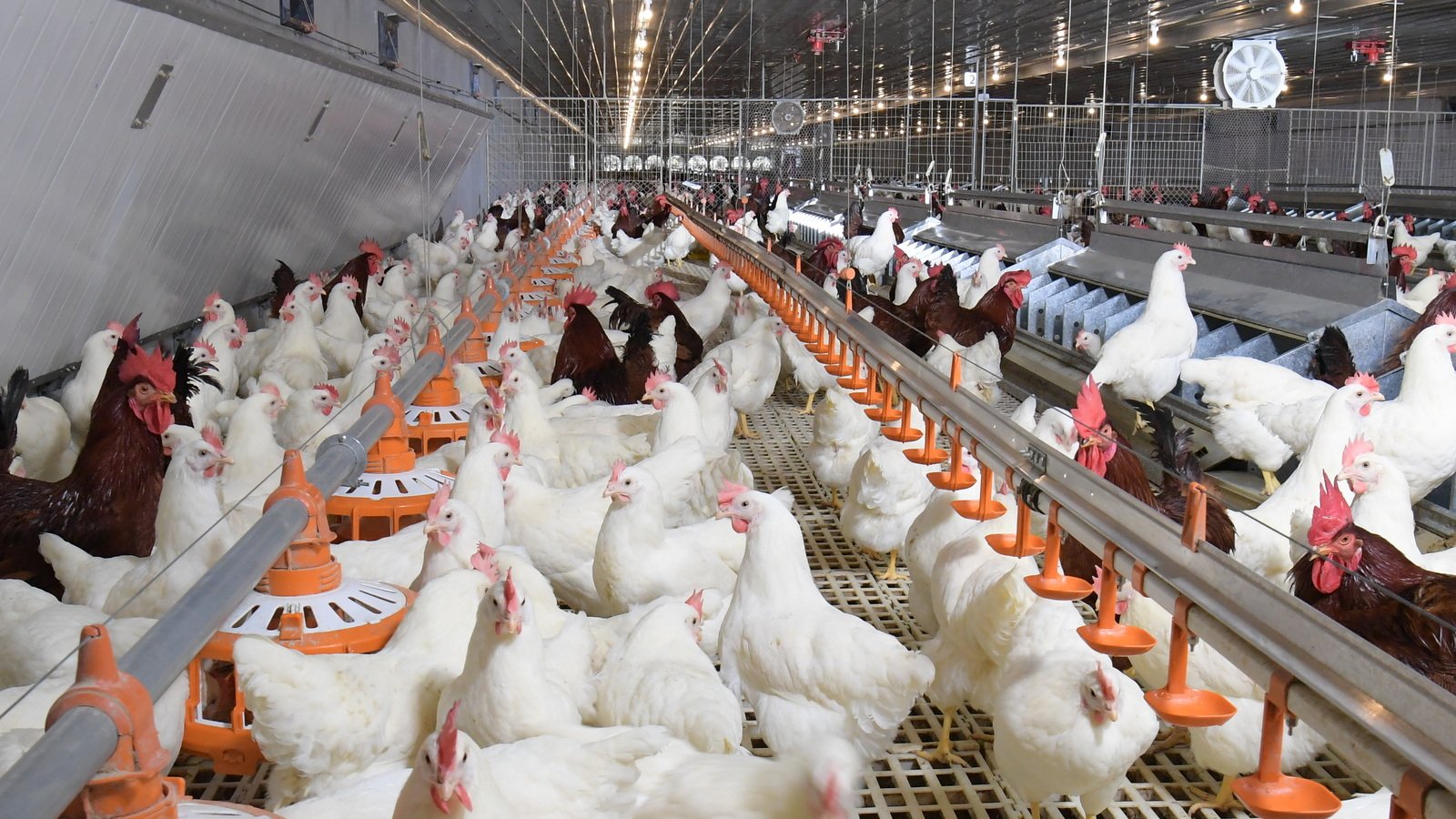
Fully automated processes based on pre-programmed scenarios help reduce the workload for employees
2.3. Improving Agricultural and Livestock Productivity and Quality
Continuous data collected through IoT enables producers to create and maintain an optimal growth environment for crops and livestock. Through continuous monitoring, systems can detect early signs of disease, abnormal temperature changes, or potential pest outbreaks before symptoms become clearly visible, allowing timely intervention to protect productivity and quality.
In addition, data on cultivation practices, fertilizers, crop protection products, and animal feed can be automatically recorded, supporting transparent traceability and food safety management while helping products meet stringent domestic and international market standards.
3. Current Applications of IoT Technology in Agriculture
Around the world, as well as in Vietnam, IoT is being increasingly applied across livestock farming, crop production, and agricultural product quality management.
3.1. IoT Applications in Livestock Farming
In modern livestock farming, IoT is considered an important platform for environmental control, automated animal care, and health monitoring. C.P. Vietnam is one example of a company developing the Smart Farm approach and strengthening technology applications within its integrated Feed – Farm – Food model:
- Closed-house systems and environmental control: C.P. Vietnam applies closed-house systems equipped with temperature, humidity, ventilation, and cooling controls to maintain stable farming conditions and improve animal care.
- Automated animal care: Technology is used to automatically provide feed and drinking water according to animals’ needs, reducing manual operations, limiting direct contact, and strengthening biosecurity.
- Multi-platform Smart Farm systems: C.P. Vietnam has deployed Smart Farm systems combining smart cameras, sensors, weighing systems, IoT, and AI to monitor and collect real-time data, enhancing farm management and automation.
- Data and operational management: Data collected from connected devices is centralized to monitor farm activities, enabling more accurate and efficient operational management.
- Health monitoring and early alerts: Environmental and animal health monitoring systems can identify and alert managers to abnormal conditions, enabling timely intervention.
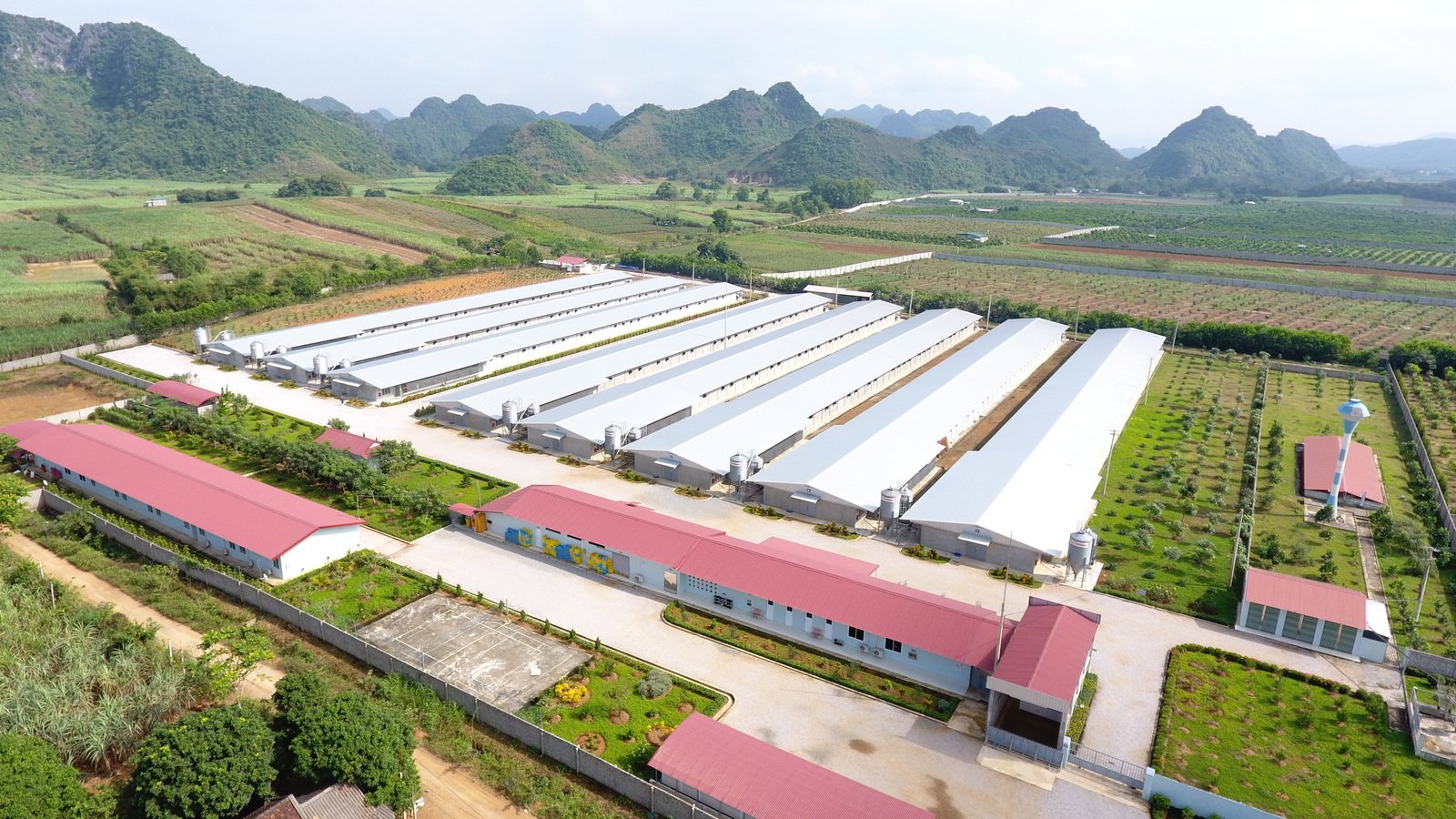
Closed-house systems enhance the management and care of livestock
3.2. IoT Applications in Crop Production
In crop production, IoT is being applied across various farming models to enhance monitoring, automation, and data-driven decision-making.
- Smart Greenhouses: Sensor systems monitor temperature, humidity, light, and soil moisture in real time. The collected data can be connected to control devices, such as automated drip irrigation systems, to provide crops with the appropriate amount of water and maintain stable growing conditions.
- Precision Agriculture: IoT supports data collection across individual cultivation areas, enabling farmers to monitor crop conditions and determine water and nutritional requirements. In addition, drones/UAVs equipped with cameras and sensors can be used to survey fields, identify areas showing signs of abnormalities or pests, and support targeted application of agricultural inputs where needed.
3.3. IoT Applications in Supply Chain Management
IoT technology in agriculture is not limited to farms but also supports the transportation and distribution of agricultural products to consumers. For example, temperature sensors installed on refrigerated trucks can continuously monitor storage conditions, helping maintain appropriate temperatures for meat, eggs, and other agricultural products throughout transportation.
Within C.P. Vietnam’s integrated Feed – Farm – Food model, IoT sensors can monitor the journey and temperature of specialized refrigerated trucks, helping control transportation conditions, maintain product quality, and ensure food safety before products reach consumers.
4. IoT Adoption in Vietnam’s Agricultural Sector
In Vietnam, the adoption of IoT technology in agriculture is undergoing rapid development, with a number of positive signs. Sensors for measuring soil moisture, water levels, and temperature, automated irrigation systems, AI-powered cameras, drones, and farm management platforms are increasingly being introduced across production areas.
Several models have demonstrated the effectiveness of data-driven approaches. For example, a project applying AI, Big Data, and digital twins in Thanh Hoa recorded an increase in rice yields from 5–5.5 tons per hectare to 6.5–7 tons per hectare at pilot sites during its initial implementation.
However, the widespread adoption of IoT continues to face several challenges. Initial investments in equipment and infrastructure can be relatively high, while many farms remain small-scale. Internet infrastructure in some rural areas is also not yet stable, and producers need training to effectively use and leverage data.
Despite these challenges, Vietnam has significant opportunities to develop smart agriculture. The need to increase productivity, conserve water and agricultural inputs, strengthen food safety controls, improve traceability, and adapt to climate change is encouraging businesses, cooperatives, and farmers to seek appropriate technological solutions.
Notably, large corporations are playing an increasingly important role in this transformation through investments in high-tech farms, automation, and data management. C.P. Vietnam, for example, is implementing models such as Smart Farm and Smart Production, alongside AI applications, to optimize processes, improve productivity, and support employees in tasks requiring a high degree of accuracy and repetition.
5. C.P. Vietnam: Advancing IoT Applications through the Smart Farm Approach
C.P. Vietnam is among the companies pioneering the application and transfer of technology in agricultural production. The company is gradually developing its Smart Farm approach through an integrated, closed-loop model focused on improving efficiency, automation, and sustainable development.
Modern farm systems: Modern closed-house designs are used to closely control environmental factors such as temperature, humidity, ventilation, and farm hygiene. This model not only creates stable farming conditions but also helps minimize external environmental impacts and reduce the risk of disease transmission, thereby strengthening biosecurity.
Automated animal care:
- IoT systems automatically provide feed and drinking water according to livestock requirements, helping optimize costs and significantly reduce manual labor.
- Temperature, humidity, ventilation, and cooling systems are automatically and precisely controlled in real time to maintain stable farming conditions.
Integrated technology ecosystem: In addition to IoT, C.P. Vietnam combines smart cameras, sensors, weighing systems, Industrial IoT (IIoT), and AI, allowing farm data to be analyzed and utilized from multiple perspectives.
The power of data – a data-driven approach:
- Continuous data collection enables management teams to monitor farm operations remotely and intuitively.
- Close monitoring of the farming environment and livestock health throughout the day.
- Early alerts are generated when abnormal temperature changes or signs of disease are detected, allowing issues to be addressed at an early stage, strengthening biosecurity, and maintaining consistent output quality across the integrated Feed – Farm – Food model.
Read more:
- C.P. Vietnam Introduces Solutions to Promote Sustainable Development in the Agri-Industrial and Food Sector
- C.P. Vietnam Joins Efforts to Develop Modern, Environmentally Friendly Agriculture
The application of IoT technology in agriculture is no longer simply a future trend but has become an increasingly important solution today. Digitizing and automating production processes through IoT can help address challenges related to resource waste, labor shortages, climate change, and food safety control.
With pioneering companies such as C.P. Vietnam advancing Smart Farm and integrated Feed – Farm – Food models, Vietnam’s agricultural sector is steadily progressing toward greater technological integration, stronger international competitiveness, and sustainable development.
“At C.P. Vietnam, we believe that every step forward in business must go hand in hand with the sustainability of our ecosystems. With our commitment to achieving Net Zero by 2050, C.P. Vietnam continues to put this responsibility into practice through the Circular Economy model and a sustainable, integrated Feed – Farm – Food value chain.
We strive to optimize the use of renewable energy, transform by-products into valuable resources, and remain committed to the ‘C.P. Vietnam – Journey for a Green Vietnam’ project, launched in 2021, with the goal of planting 3 million trees over 10 years to support carbon neutrality.
Together with C.P. Vietnam, let’s join hands for a greener planet, where every delicious meal not only provides nutritional value but also contributes to protecting the environment for future generations.”
Source: Sustainable Development Direction and Sustainable Projects | C.P. Vietnam
References
[1] Applying IoT in sustainable agriculture
https://nhandan.vn/special/ungdungiottrongnongnghiep/index.html
[2] Smart agriculture: A new approach to sustainable poverty reduction
https://vjst.vn/nong-nghiep-thong-minh-huong-di-moi-trong-giam-ngheo-ben-vung-77265.html
[3] Industry 4.0: The most anticipated areas of development
https://baochinhphu.vn/cach-mang-cong-nghiep-40-nhung-linh-vuc-duoc-trong-doi-nhat-102262205.htm
[4] How far can digital technology bring precision to livestock farming?
[5] C.P. Vietnam strengthens AI applications across the agri-food value chain
[6] C.P. Vietnam launches AI transformation projects to advance a smart and sustainable agri-food value chain
[7] Applications and benefits of the Internet of Things in agriculture
[8] Applying IoT (Internet of Things) in modern agricultural greenhouses
https://agriht.com/ung-dung-iot-internet-van-vat-trong-nha-kinh-nong-nghiep-hien-dai/
[9] What is IoT (Internet of Things) in the supply chain?
https://fmit.vn/tu-dien-quan-ly/internet-of-things-iot-in-supply-chain-la-gi
[10] C.P. Vietnam named among the Top 5 innovators in high-tech agriculture